Every UN Member State has its human rights record examined by other States through the Universal Periodic Review (UPR). Civil society can take part at every stage, from submitting evidence before a review to advocating in their own country and globally, to following up on the recommendations a State receives. This November, two countries where Every Woman coalition members have been engaged reached the review stage.
Coalition members’ advocacy brings attention to child marriage, gender-based violence and survivors’ access to justice and support.
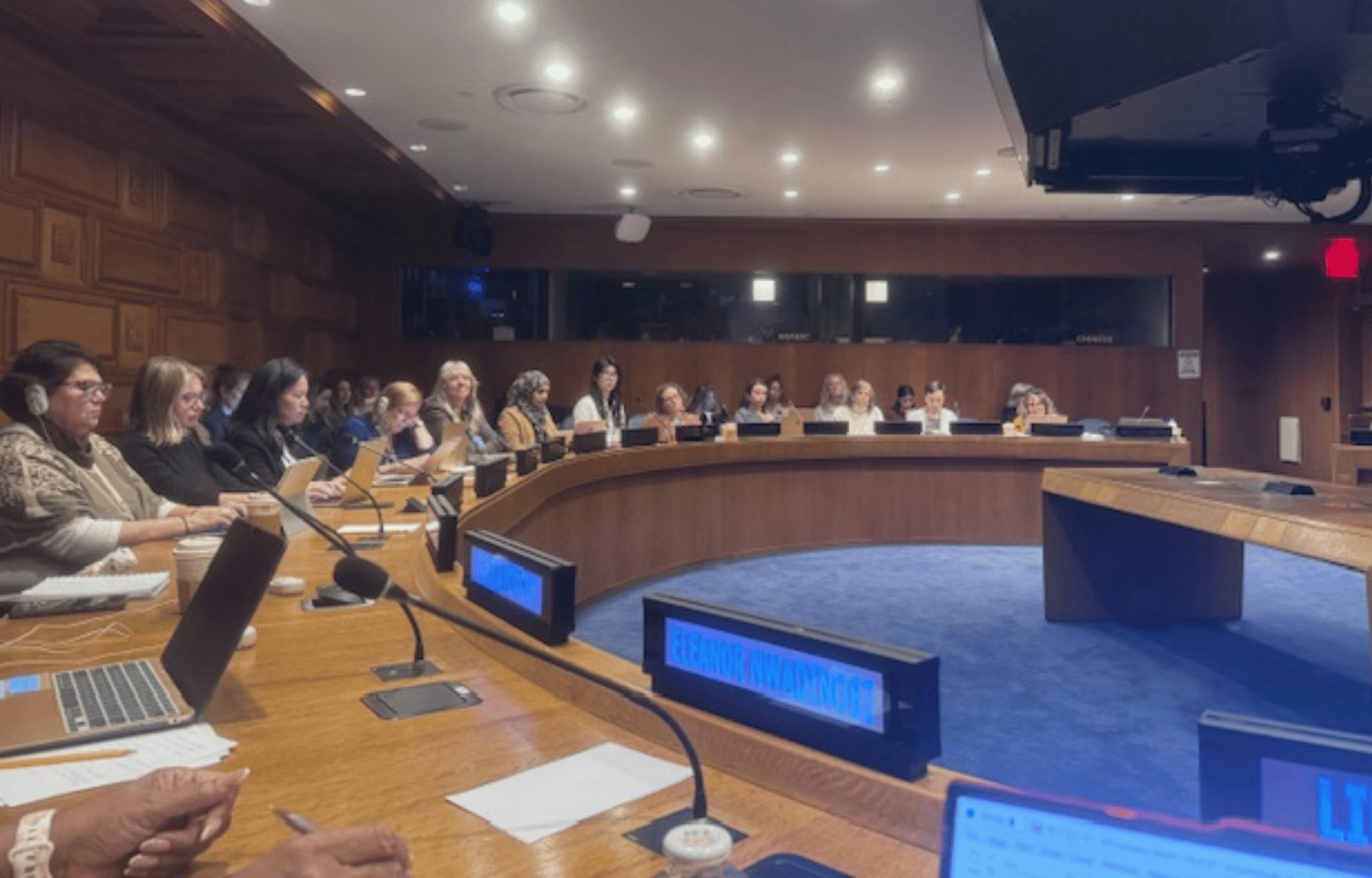
Tanzania and Eswatini have completed their reviews before the UN Human Rights Council’s Universal Periodic Review (UPR) Working Group. During its 53rd session, States made recommendations on several priorities raised by Every Woman coalition members, including preventing gender-based violence, ending child marriage and strengthening support services for survivors.
The Working Group reviewed Tanzania on 5 November and Eswatini on 6 November. Tanzania received 280 recommendations: it supported 196, noted 68 (which means it did not support them but took note of them) and deferred its position on 16. Eswatini received 212 recommendations and is expected to announce its position by the Human Rights Council’s 64th session in February–March 2027.
Bringing local priorities to Geneva
Every Woman coalition members contributed to the review process through stakeholder submissions and in-person advocacy in Geneva.
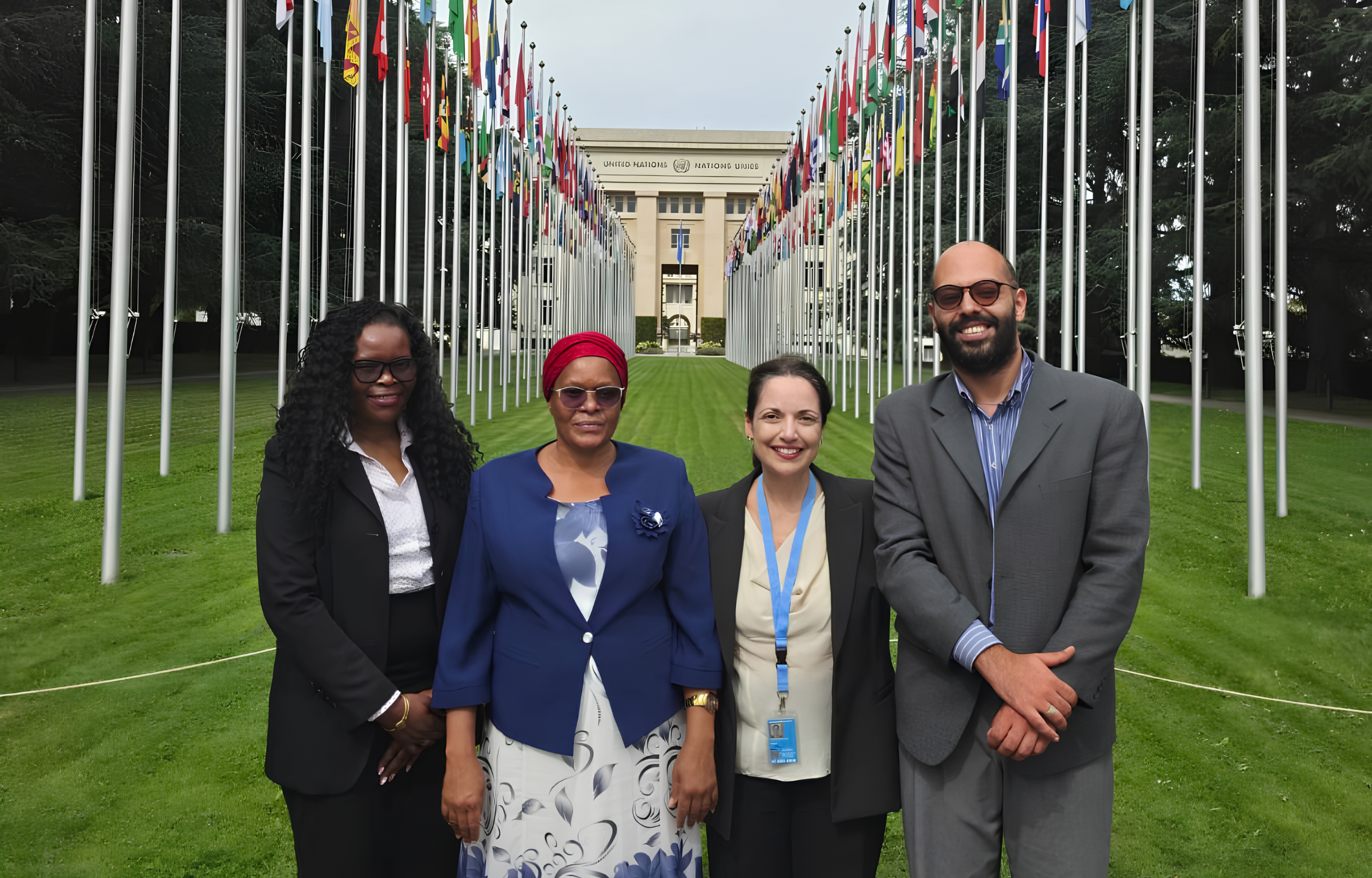
In Tanzania, Eddna P. Chandeu, Founder and Executive Director of Tanzania Child Welfare, led a joint submission with 13 civil society organisations in July. In Eswatini, Thulisile Maziya, Director of Sinatsisa Lubombo Women and Girls Empowerment Organisation (SNL), submitted recommendations informed by the organisation’s fieldwork in the Lubombo region.
Both activists took their recommendations to the UPR pre-sessions in Geneva in August. Thulisile spoke as a panellist in the Eswatini session, while Eddna attended the Tanzania session in person. They both then met their countries’ Permanent Representatives to present their recommendations directly.
The Office of the UN High Commissioner for Human Rights (OHCHR) reflected 11 recommendations from Every Woman coalition members in its summaries of stakeholder submissions: seven on Tanzania and four on Eswatini.
For Tanzania, OHCHR cited the coalition’s recommendations on the minimum age of marriage, legal aid for survivors of gender-based violence, judicial independence, youth-friendly sexual and reproductive health services, and corporal punishment. For Eswatini, it included Thulisile’s calls for One-Stop Survivors’ Centres, specialised gender-based violence courts and ratification of International Labour Organization (ILO) Convention No. 190 on Violence and Harassment in the World of Work.
Violence against women and girls was raised in both reviews
During Tanzania’s review, States called for amendments to the Law of Marriage Act to set the minimum age of marriage at 18. The delegation said the Government had begun legislative reforms to do so. States also called for comprehensive legislation on gender-based violence and an end to female genital mutilation.
During Eswatini’s review, the delegation acknowledged that gender-based violence remains high. It highlighted the Sexual Offences and Domestic Violence Act, a national prevention and response policy, and a high-level task force. States urged stronger action on gender-based violence and child marriage, while Sierra Leone reccomended one-stop centres for survivors.
Governments’ responses
Tanzania’s Minister for Constitutional and Legal Affairs, HE Abdallah Hamis Ulega, said the Government supported 196 recommendations, including those concerning the rights of women, children and persons with disabilities, and access to justice.
Tanzania noted 68 recommendations, including those it considered contrary to national customs and values, as well as recommendations on ratifying treaties and abolishing the death penalty. It deferred its position on 16 recommendations concerning bail, pretrial detention and the length of schooling. The Government noted it will consult stakeholders, including civil society, in response to these recommendations.
For Eswatini, the Permanent Mission described the recommendations received as an important source of guidance and confirmed that the government would announce its positions in due course.
Every Woman will continue to support its coalition members to ensure Eswatini and Tanzania implement the UPR recommendations they accepted through concrete action. Stay tuned for more updates.