Photo courtesy of Sarah Noor Masood
The session
On May 22, 2026, Resilient Collective members attended the session “The Pause – Building a Mindfulness Practice to Lead with Self-Efficacy,” facilitated by Noor Masood. This session led participants through mindfulness practices, personal reflection, and shared learning to identify the moments, experiences, and strengths that anchor them in periods of challenge and change.
Why it mattered
For leaders and activists working to end violence against all women and girls, resilience is critical to sustaining long-term impact. With 1 in 3 women worldwide experiencing physical or sexual violence in their lifetime, the demand for advocacy and support continues to grow. At the same time, many women human rights defenders face high levels of stress, burnout, and emotional strain.
This session created space for participants to pause, reflect, and strengthen the personal resources that enable effective leadership.
The expert
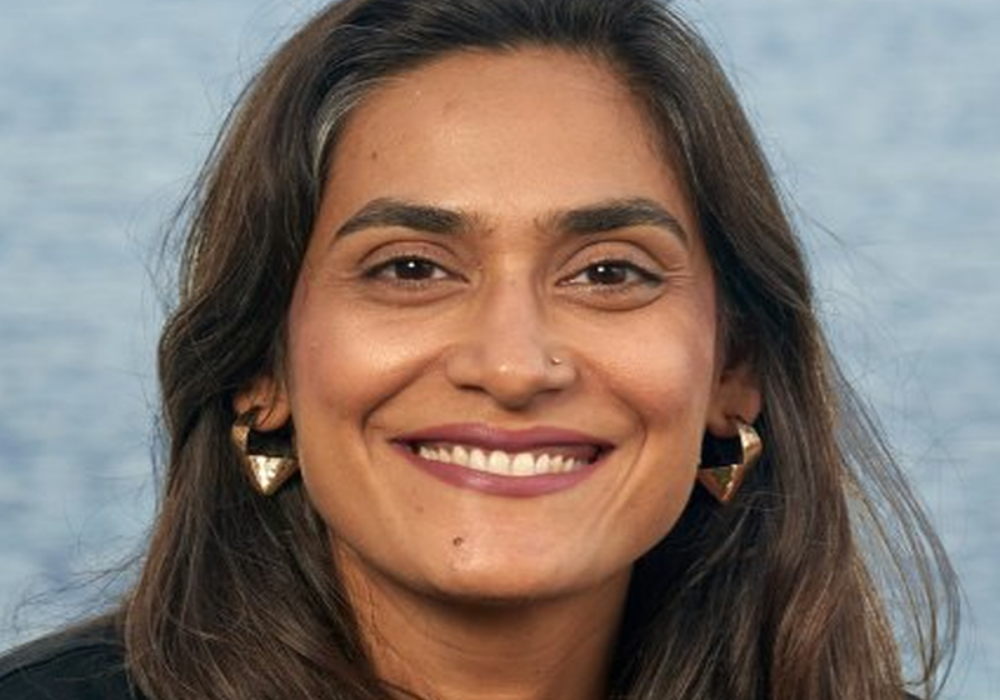
Noor Masood is a trained mindfulness meditation teacher with years of leadership across global movements, civil society, and high-pressure contexts. Her methodology draws on Marshall Ganz’s organising frameworks and Ron Heifetz’s Adaptive Leadership. Noor is the founder of the Centre for Social Innovation in Developing Countries (CSIDC), a justice-oriented leadership and strategy institute based in Pakistan.
Key takeaways
- Leadership as regulated response, not reaction
Effective leadership in complex, high-pressure environments depend on the ability to pause and respond thoughtfully, rather than reacting from stress or emotional overwhelm. Mindfulness is positioned as the mechanism that enables this shift from reactivity to intentional agency.
- Self-efficacy in leadership is built through internal resources
By reflecting on past moments of difficulty, survival, or lived experiences, a leader identifies internal evidence of capability, strengthening their belief that they can navigate current uncertainty even when circumstances feel overwhelming.
- Mindfulness is treated as a practical leadership system, not just reflection or calm
Mindfulness is designed as a repeatable leadership practice that connects awareness, emotional regulation, and action. The goal is to help leaders build a personal “resourcing practice” they can return to under stress, improving clarity, steadiness, and decision-making in real time.
Testimonials
“I learned several tools to rebase myself after rejection or pain for more effective leadership and advocacy. Mindfulness to differentiate pain vs. suffering. That is not only OK but vital to take care of yourself first, to then help others.” – Deborah Alana Davis, Argentina/Venezuela
“Through this session, I gained practical mindfulness tools to manage stress and strengthen my leadership self-efficacy. I learned the “Pause” technique for staying grounded in tough moments, ways to weave mindfulness into my daily routine, and strategies to sharpen my focus and emotional balance – all of which will help me lead with more clarity and resilience.” – Zainab Sindigawo, Nigeria