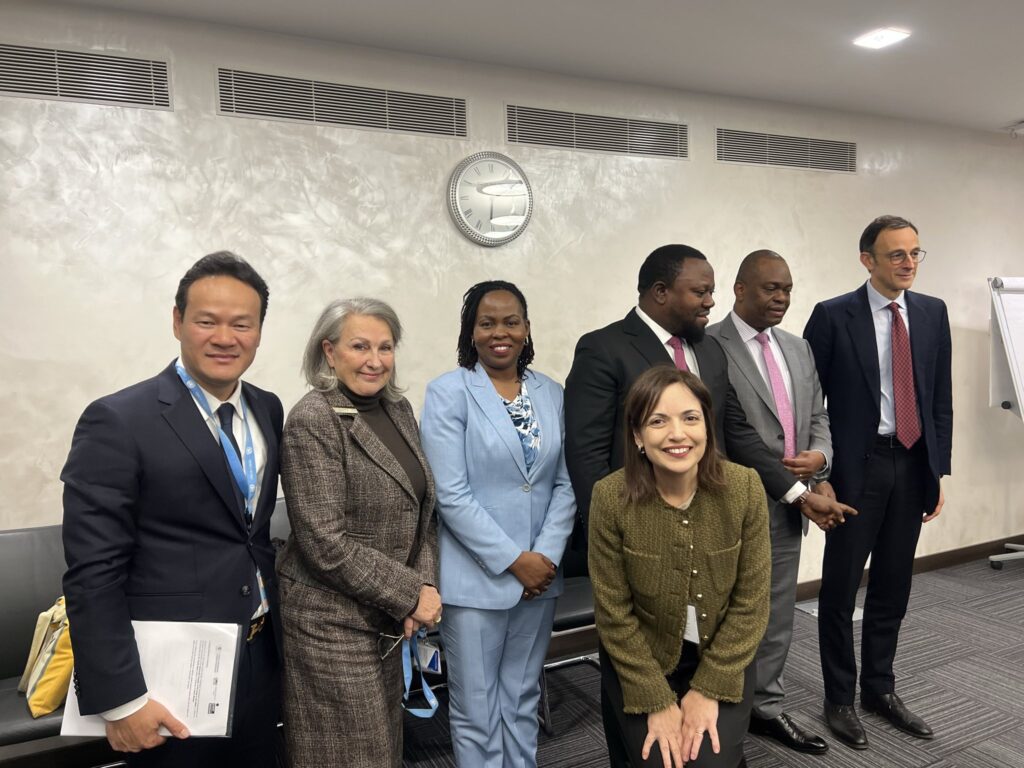
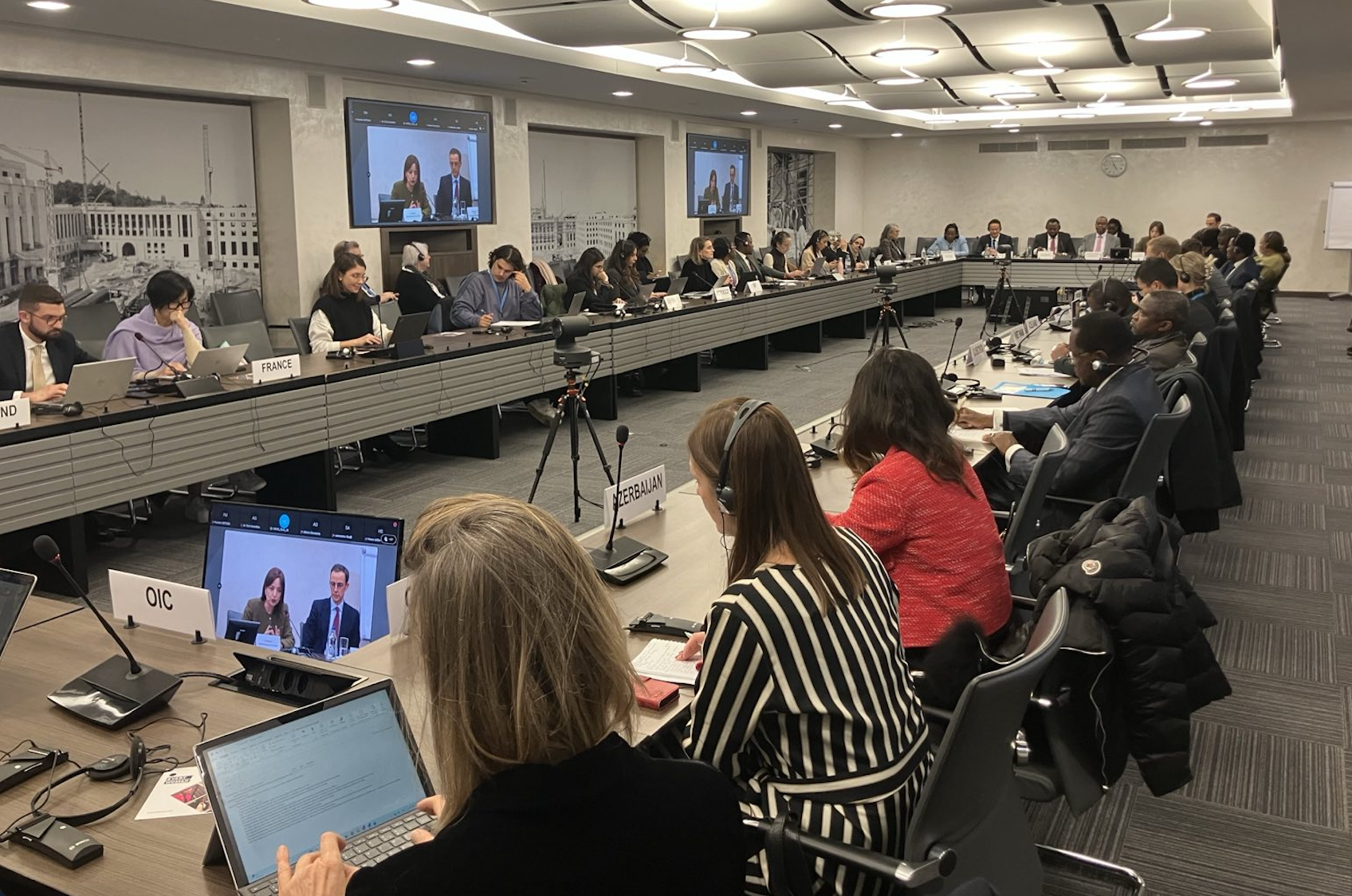
During the 16 Days of Activism, ministers, ambassadors, UN agencies and civil society gathered in Geneva to discuss solutions to a global emergency that is growing in scale and complexity: online and technology-facilitated violence.
UN Women estimates that up to 58 per cent of women and girls have experienced some form of online abuse— including rape and death threats, deepfakes, stalking and more. Many girls report that their first experience occurred as young as 14 or 15.
Violence against women and girls has always been a complex issue, but the rapid rise of online abuse has made it even harder to address. Perpetrators operate easily across borders and between platforms, often hidden by anonymity. Online and offline violence can blur together, increasing harm as well as the challenge of addressing this violence.
Ending Cyberviolence Will Require All of Us
Panellists at our event, Cyberviolence against Women and Girls: Closing Legal, Policy and Technical Gaps—co-hosted by Every Woman and the Permanent Missions of the Democratic Republic of the Congo and the Kingdom of Morocco to the UN in Geneva—agreed that preventing cyberviolence will require coordinated action from governments, civil society, UN agencies and, critically, the tech industry.
The event explored how the new UN Convention against Cybercrime can help end online violence against women and girls. It acknowledged that the law is only a starting point—funding, education and global cooperation must follow.
“Fighting this is fundamental to human rights defence and development,” said H.E. Ambassador Paul Empole Losoko Efambe of the Democratic Republic of the Congo in his opening remarks, emphasising that digital spaces—while essential to modern life—also expose women and girls to new forms of discrimination and abuse.
Key points included:
- Ending online violence is not just a legal challenge but a cultural one. Power imbalances and patriarchal norms—online and offline—continue to drive abuse. Addressing the cultural challenge is essential to prevention and must include a whole-of-government, whole-of-society approach.
- Tech companies must play a central role. They built the platforms where this violence occurs, and they have the tools and expertise to help prevent harm and identify perpetrators.
- Civil society is a necessary and crucial partner in monitoring implementation and compliance and shaping policy.
“This conversation is too important to stop here,” concluded Every Woman Director of Diplomacy Dr Farida Bena. “I believe that, together, we can build an online ecosystem that really reflects the same equality, justice and safety that we seek offline.”
Watch the event
With special thanks to all who attended the discussion in-person and online, to the Permanent Missions of the Democratic Republic of the Congo and the Kingdom of Morocco to the United Nations Office at Geneva for cohosting this event and to all speakers:
- H.E. Mr Paul Empole Losoko Efambe, Ambassador, Democratic Republic of the Congo
- H.E. Mr Samuel Mbemba Kabuya, Minister of Human Rights, Democratic Republic of the Congo
- Mr Markus Stemeseder, Associate Expert in Cybercrime, United Nations Office on Drugs and Crime
- H.E. Mr Mai Phan Dung, Ambassador, Socialist Republic of Viet Nam
- H.E. Dr Fancy Chepkemoi Too, Ambassador, Republic of Kenya
- Mr Stefano Pisotti, Deputy Permanent Representative, Italy
- Ms Jane Aeberhard-Hodges, Civil Society Representative
We look forward to continuing this dialogue.