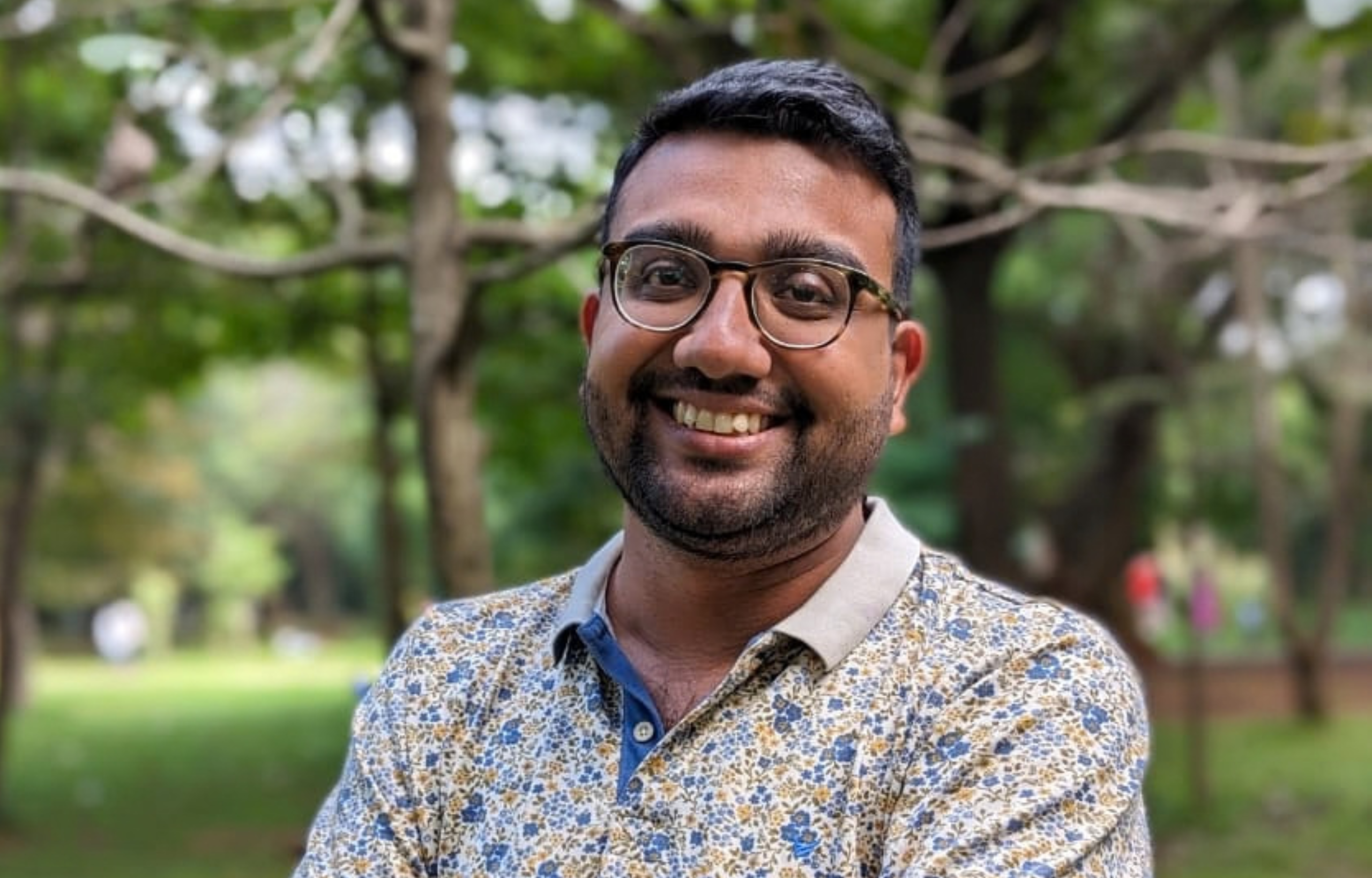
Photo courtesy of Rishabh Lalani
The session
Back by popular demand, fundraising strategist Rishabh Lalani returned for a second instalment on grant writing; this one, held on September 30, 2026, focused on how to strengthen your application for success. (See takeaways from the first session on practical skills here.) More than 80 coalition members joined — the highest to date since we launched the Resilient Collective earlier this year. This session focused on one key skill: writing a clear, compelling grant.
Why it mattered
Funding for women’s rights organisations is shrinking. In 2025, 76.5 per cent of coalition members who responded to our survey reported that sustainable funding was the most significant barrier across regions. UN Women found that of 411 women-led and women’s rights organisations across 44 crisis contexts, 90 per cent had been hit by funding cuts, and 47 per cent expected to close within six months. Additionally, one in three had suspended or shut down programmes on ending violence against women and girls.
The Expert
Rishabh Lalani is Founder and CEO of Kohmorehbee Consulting, a consulting firm that supports nonprofits and philanthropies with fundraising, grantmaking, and leadership building. He has more than 13 years of experience supporting nonprofits, philanthropies, and grassroots organisations across the Global South and beyond, to secure and manage funding.
Key Takeaways
- Build stronger proposals: Understand what to include in each section of a grant proposal. Take the time to analyse what is being asked and consider how each section builds the case for your work, from beginning to end.
- Understand funders: This means reading not only the call for proposals but also the funder’s website, social media and other public material to understand what a funder is looking for, and shaping each application to fit its goals.
- Use practical tools: Explore templates, tips, and tools to make grant writing easier and more effective.
- Avoid common mistakes: These include trying to do too much in your application (i.e. solving too many issues at once), making claims without evidence, or proposing activities that do not clearly address the identified problem. Recognising these errors and looking out for them will help you avoid them in your own applications.
- Align budgets and work plans: Be sure your budget and your work plan clearly support the proposal and show funders how the resources will be used.
Testimonials
“It was an outstanding session, rich in practical information, which helped me enhance my understanding of how to write grant proposals more professionally. I thank the training team for their efforts and look forward to participating in future training sessions focused on project management and grant writing.” – Mariam Al Fartosy, Iraq
“I received a clear understanding of what to address in proposals and how to figure out critical questions.” – Inaya Qadeer Ali, Pakistan
“The 44 proposal document really widened my understanding of funder vision.” – Babale Gambo Maikidi, Nigeria