Working at the intersection of grassroots advocacy and global diplomacy, we use international law to end violence against all women and girls.
Stronger laws. Global accountability. A collective movement.
A safer, more just world for all.
Violence against women and girls is one of the most widespread human rights violations on earth, affecting at least 1 in 3 women globally. Today, a systematic rollback in women’s rights is intensifying this violence—in homes, in public life, in conflict settings, and online. While the movements working to end this violence are being defunded, activists and organisations are increasingly targeted with threats to discredit them. The impact of this violence harms us all—women and girls, families, communities and countries.
But violence against women and girls is not inevitable.It is a problem that can be solved with stronger laws, political will, government accountability, and social change.
We do this in three strategic ways:
Advance international law
We partner with governments, the United Nations, civil society organisations and other key actors to create international policies that strengthen global standards to end gender-based violence.
We leverage existing legal instruments to hold governments accountable to their commitments to end violence against all women and girls under international law.
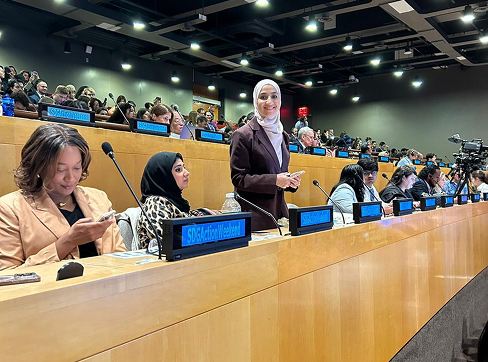
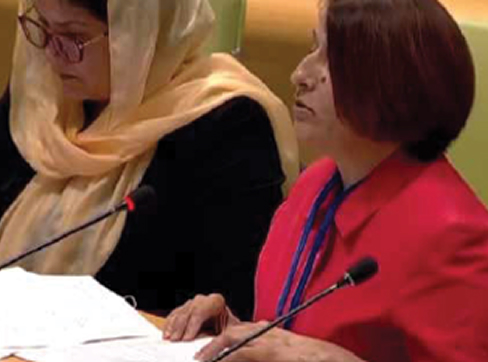
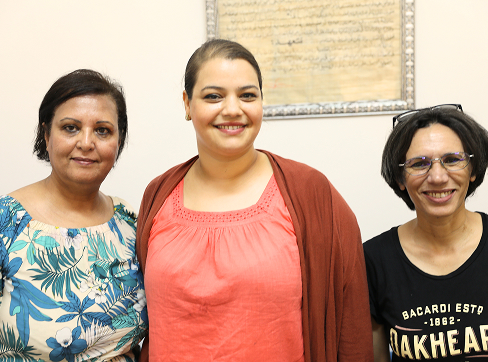
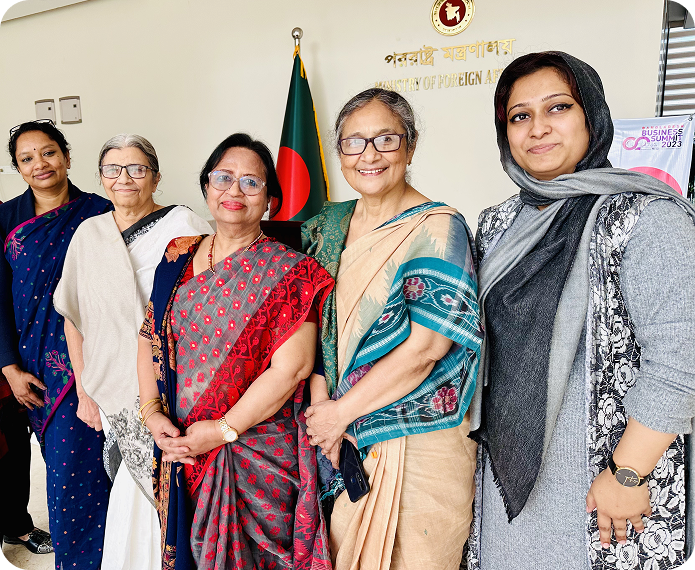
Every Woman operates at the intersection of grassroots advocacy and global diplomacy. We believe that when the expertise of grassroots activists and organisations is in the halls of power alongside decision makers, stronger laws prevail, accountability increases, and the world becomes a safer, more just place for all.
Civil Society Engagement
Civil society is central to strong international law
Civil society influences the creation of global norms and standards and holds countries accountable to their commitments under international law.
Civil society drives global norms
Civil society often drives the agenda on issues that become international law — the treaty to ban landmines and the creation of the International Criminal Court are two examples. When civil society and frontline expertise meaningfully contribute to drafting law, the resulting policies and outcomes are more effective, particularly when these experts are women.
Our work: We collaborate with governments, the United Nations and other civil society organisations to ensure comprehensive provisions to prevent and prosecute gender-based violence are included in relevant new policies, and push governments to prioritise and fund these solutions.
Civil society organisations serve as government watchdogs, providing data on the issue and insight into whether a country is fulfilling its commitments under international law, and serving as a bridge between affected populations and governments.
Our work: We advocate for governments to implement solutions to end gender-based violence through accountability mechanisms, such as the Universal Periodic Review.