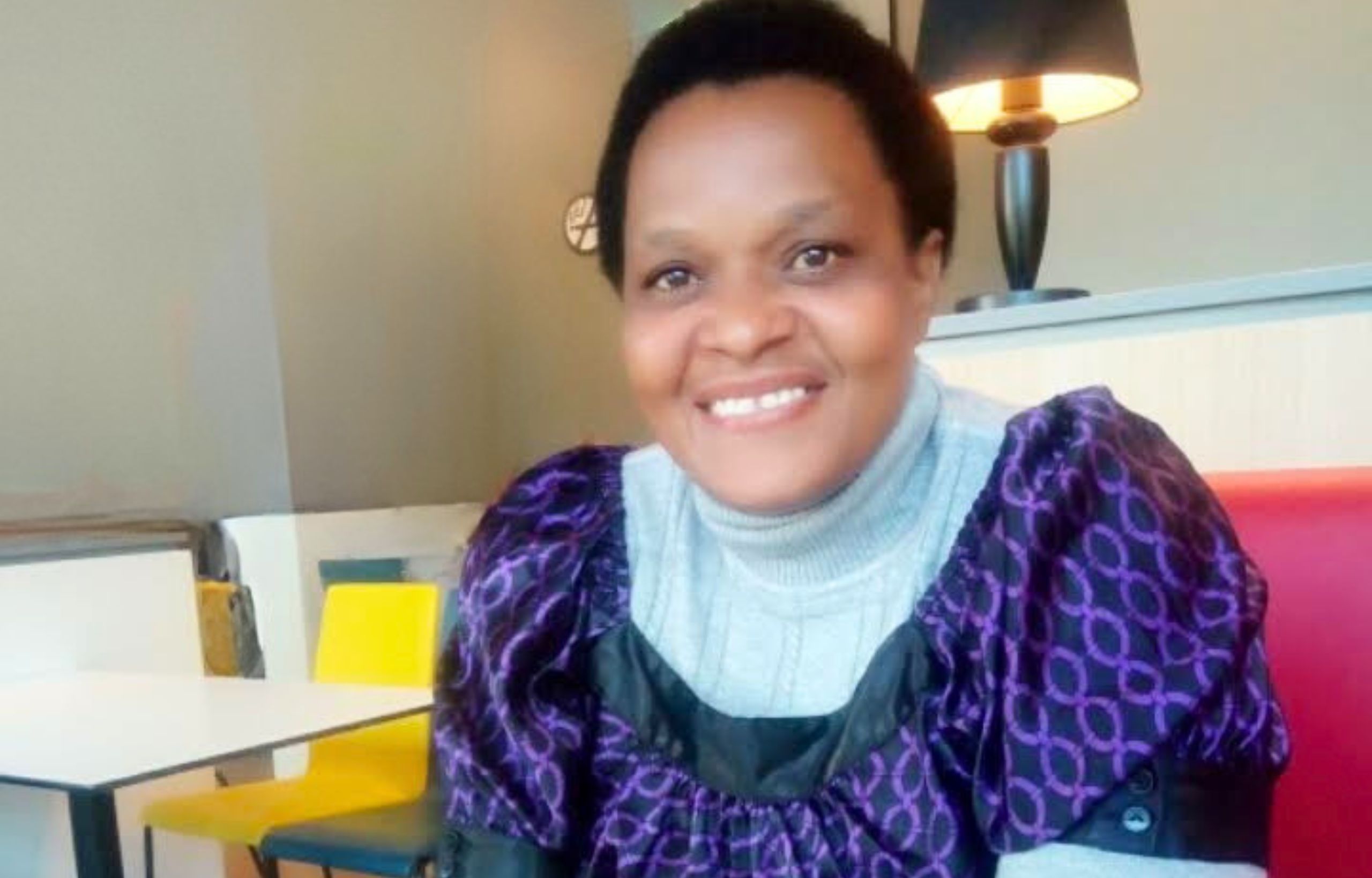
Photos: Courtesy of Tanzania Child Welfare
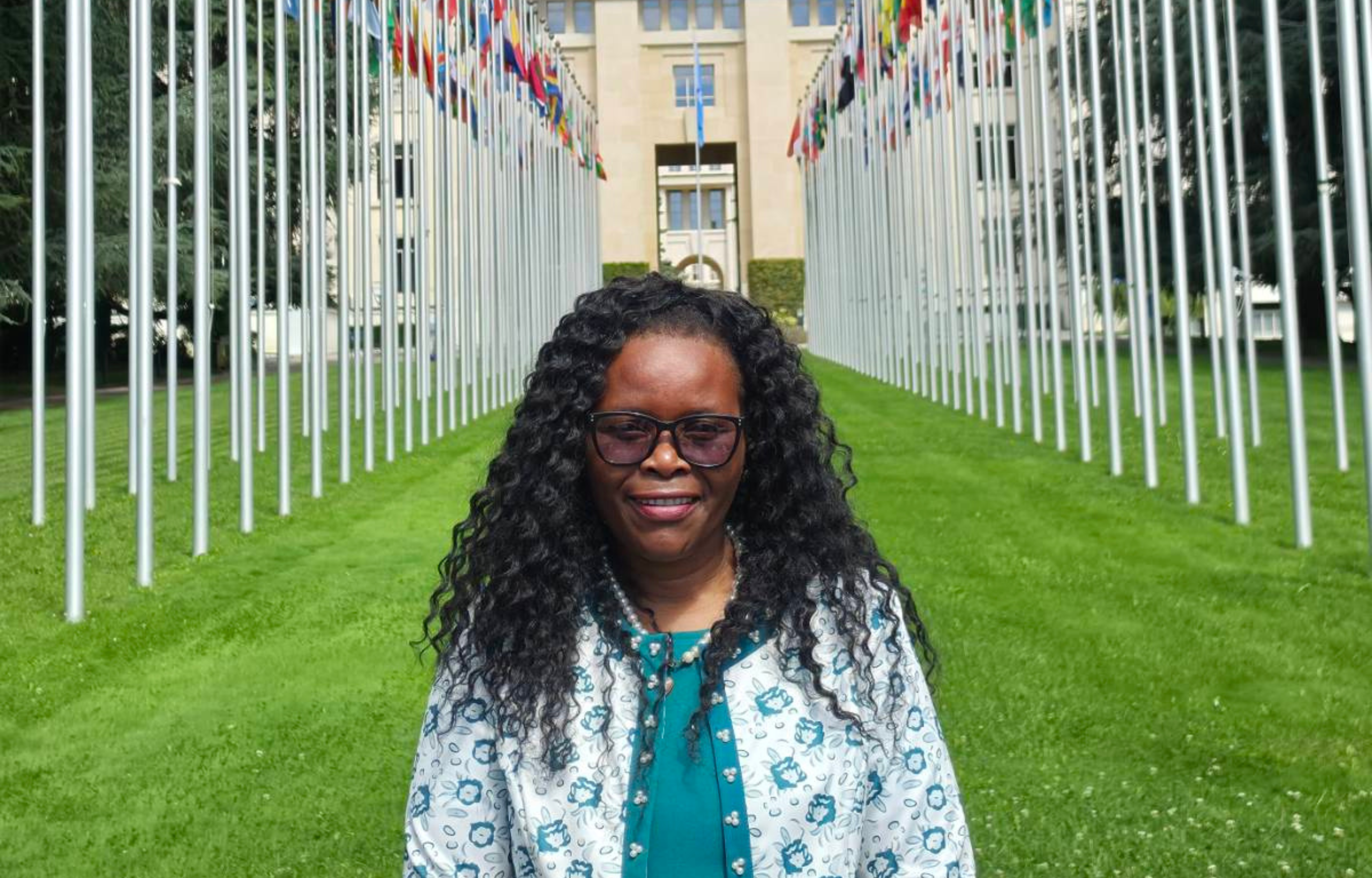
Coalition member Eddna P. Chandeu is the founder and executive director of Tanzania Child Welfare and specialises in the design and implementation of evidence-based, community-led programs addressing gender-based violence (GBV). Eddna led a group of 12 NGOs working across Tanzania in a joint civil society submission to the UN Universal Period Review, a process in which UN Member States review the human rights record of other states and make recommendations.
Here, Eddna discusses the crucial role civil society plays in the UPR process and how the group’s recommendations can reduce rates of GBV and expand services for survivors in Tanzania.
1. What challenges in addressing violence against women and girls led you to participate in the UPR process?
We participated in the UPR process because it provides a unique and influential platform to highlight the realities facing women and girls in Tanzania. Despite important national efforts, violence against women and girls remains pervasive, particularly among marginalised and rural communities. Many cases go unreported, survivors lack access to justice, and harmful social norms continue to undermine women’s rights. Participating in the UPR allowed us to bring evidence-based recommendations directly to UN Member States and strengthen accountability for national commitments to end gender-based violence.
2. What do survivors of violence face in your country and how can UPR recommendations help?
Survivors of violence in Tanzania face multiple obstacles, including stigma, fear of retaliation, limited access to quality legal aid, delays in investigations, economic dependence on perpetrators, and a shortage of shelters and psychosocial support services. UPR recommendations can help by prompting the government to invest in survivor-centred protection systems, strengthen legal frameworks, allocate adequate resources, and advance coordinated national strategies that ensure timely justice and comprehensive support.
Additionally, the UPR process strengthens accountability by encouraging regular monitoring of government progress, promoting transparency, and ensuring that commitments are internationally recognised. Once recommendations are adopted, the government is expected to take measurable actions and report back on implementation. This creates pressure for policy reform, resource allocation, and improved services, ultimately accelerating efforts to eliminate violence against all women and girls.
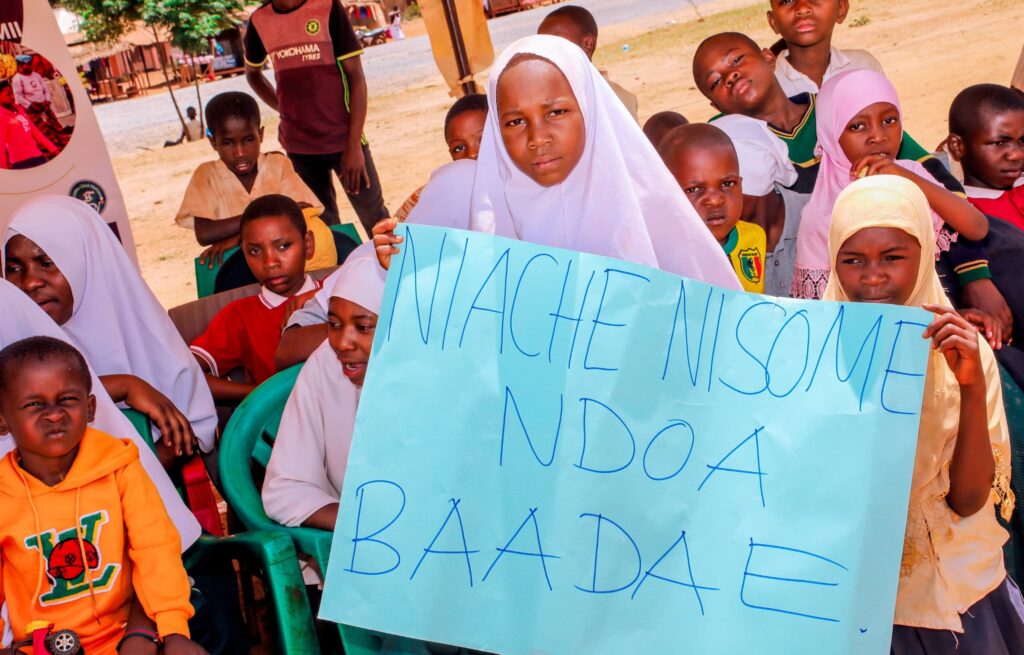
3. Your recommendations called for the government to amend the Marriage Act to set the age of marriage at 18. Is child marriage a problem in Tanzania and how can this law help?
Child marriage remains a serious and persistent human rights concern in Tanzania. A significant number of girls are still married before the age of 18, driven by entrenched poverty, harmful social norms, gender inequality, and critical gaps in the legal framework that fall short of providing full and equal protection.
Amending the Marriage Act to unequivocally set the minimum age of marriage at 18 for both girls and boys is not only necessary, it is urgent. Such reform would establish a clear and enforceable legal standard, strengthen protection against exploitation and abuse, reduce the risks of early pregnancy and gender-based violence, and safeguard girls’ rights to education, health, and dignity.
Moreover, aligning the law with regional and international human rights standards would demonstrate Tanzania’s commitment to ending child marriage and advancing gender equality, while ensuring that no girl is denied her future due to early and forced marriage.
4. You ask the government to enact a comprehensive law on gender-based violence. Are there any laws that address gender-based violence in Tanzania?
While Tanzania has several scattered provisions related to gender-based violence, such as the penal code, the Sexual Offences Special Provisions Act (SOSPA), and other various policies, the legal framework remains fragmented and inconsistent. A comprehensive GBV law would consolidate existing provisions, close legal gaps, ensure uniform protection across the country, and provide clear guidance on prevention, response, coordination, and resource allocation.
Additionally, access to justice is an issue and was among our recommendations. Survivors in rural and remote areas face serious barriers when seeking justice. They often have to travel long distances to reach police stations, health facilities, or courts. They rely on legal aid services that remain limited in reach and are insufficiently resourced. They also confront stigma, economic constraints, and limited awareness of their rights.
Strengthening access to justice means expanding community-based legal support, improving coordination between police, health, and social services, increasing the number of trained legal aid providers, and ensuring survivor-centred processes that are safe, timely, and affordable.
5. Why is it important that grassroots organisations are involved in UPR submissions?
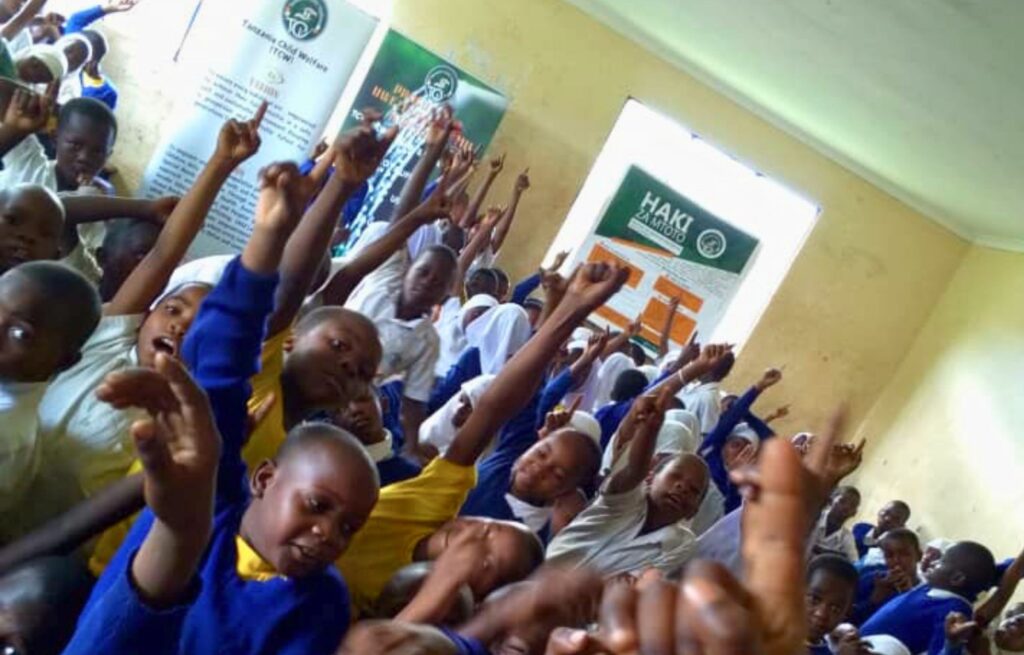
Grassroots organisations play a critical role because they work directly with communities and have first-hand knowledge of everyday realities. They understand the specific challenges faced by women and girls, especially in remote and underserved areas. Our involvement ensures that UPR submissions are grounded in lived experiences, reflect the true needs of communities, and promote solutions that are culturally relevant, practical, and inclusive.