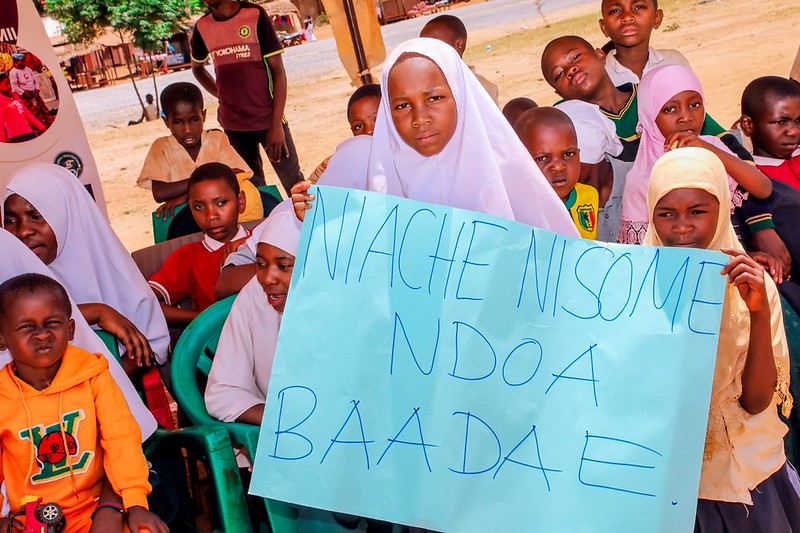
Photo courtesy of Tanzania Child Welfare; Let me focus on my studies for now; I will consider marriage later.
GENEVA: With the recent submission of coalition stakeholder reports to the United Nations Universal Periodic Review (UPR), Every Woman has launched a new key initiative to end violence against all women and girls: Engagement in the UPR.
The UPR is a peer-to-peer assessment of a country’s human rights record. Established in 2006 via Resolution 60/251, it provides a platform for constructive dialogue among UN Member States on specific human rights issues, including women’s rights and violence against women and girls. Each UN Member State is reviewed approximately every 4.5 years, with each cycle building on the last.
Every Woman’s UPR engagement aims to increase the implementation of survivor-centred solutions to address gender-based violence against women and girls and press governments to prioritise and fund these solutions.
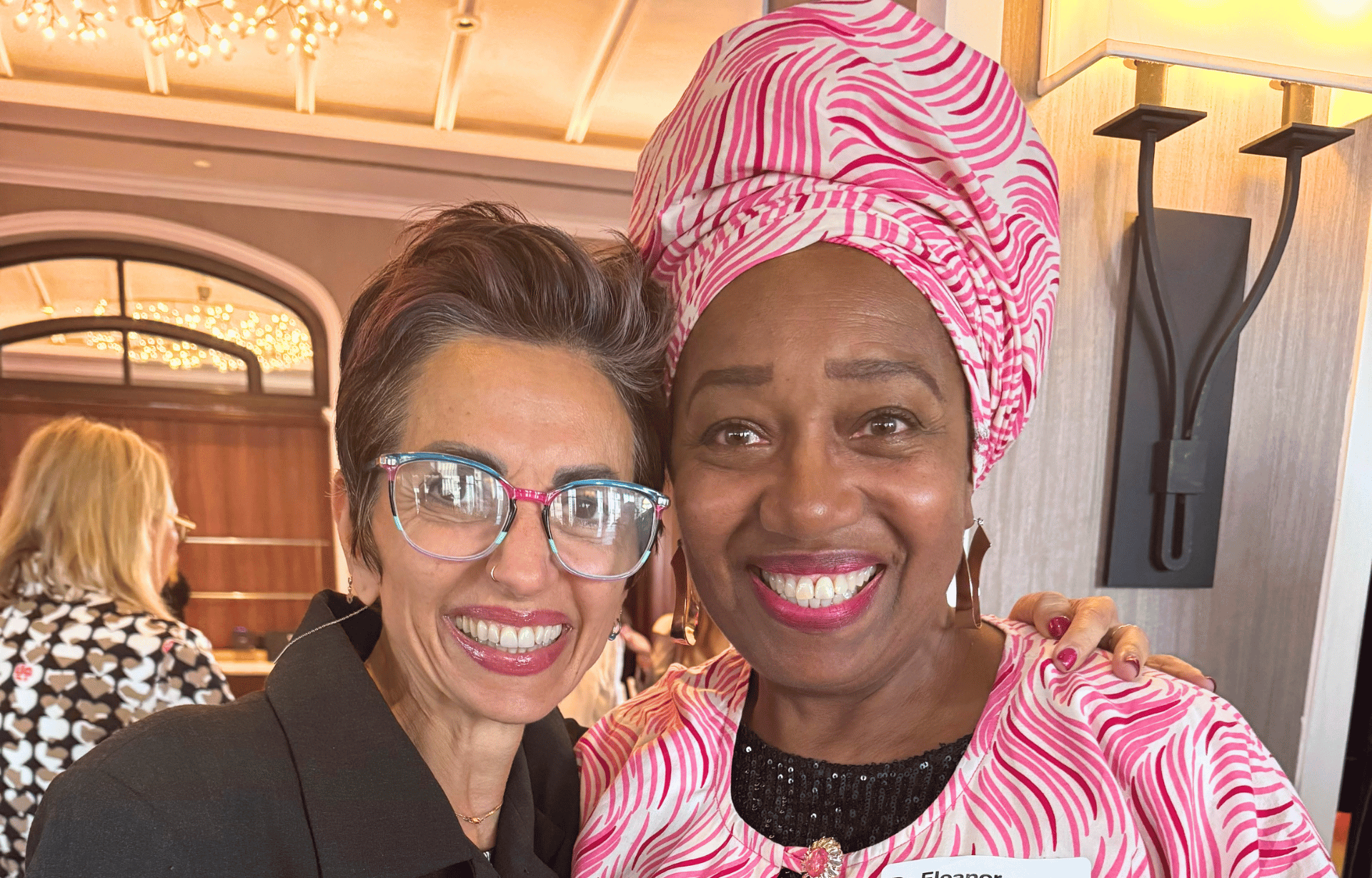
“Every Woman’s focus on addressing violence against women and girls in the UPR process is unique,” says Dr Farida Bena, Every Woman’s Director of Diplomacy and UN Representative. “Our coalition members are experts in multiple areas, able to provide the on-the-ground evidence that helps drive the uptake of recommendations, so it is an opportunity for real progress.”
Driving change at the national level
The UPR is “about breathing life into what human rights could potentially mean for ordinary people on the ground,” said Abigail Noko, Regional Representative of UN Human Rights’ Regional Office in Southern Africa, on the impact of the UPR.
The potential for impact is what drew coalition members in Tanzania and Eswatini to submit stakeholder reports. “We wanted to elevate the lived realities of women and girls in the remote communities of Eswatini’s Lubombo region onto a global human rights accountability platform,” says Thulie Maziya, Executive Director of Sinatsisa Lubombo Women and Girls Empowerment Organisation in Eswatini.
In Lubombo and other remote parts of Eswatini, the absence of services such as police stations, shelters, legal aid, and psychosocial care forces survivors to travel long distances at great cost or remain in abusive environments. By asking her government to implement an existing law, the Sexual Offences and Domestic Violence (SODV) Act 2018, which includes such services, Thuli hopes to improve the lives of women and girls, and all people, in her community.
Thirteen coalition members in Tanzania filed a joint stakeholder submission that aims to increase survivor services and access to justice for women and girls by enacting a gender-based violence law.
“Despite important national efforts, violence against women and girls remains pervasive, particularly among marginalised and rural communities,” says Eddna P. Chandeu, Founder and Executive Director of Tanzania Child Welfare, who led the effort. “Many cases go unreported, survivors lack access to justice, and harmful social norms continue to undermine women’s rights. Participating in the UPR allowed us to bring evidence-based recommendations directly to UN Member States.”
Civil society is essential to the UPR—providing facts, ensuring a survivor-centred approach, and holding governments accountable
While the UPR is a state-to-state review mechanism, NGOs are instrumental to its effectiveness.
“Civil society is at the heart of the UPR process,” says Mona M’Bikay, Executive Director of UPR-Info, a Geneva-based NGO that provides support on the UPR process to states, civil society and national human rights institutions and other stakeholders.
Through written reports and advocacy, civil society provides data, facts, and examples, ensuring that United Nations Member States have a full and accurate picture of the human rights situation on the ground.
As Chandeu and Maziya wrote in a recent email: “As grassroots organisations working directly with communities, we document lived experiences and human rights gaps, and amplify the voices of women, girls, and children—documentation that shows the human cost of unmet obligations,” and the importance of collaboration between civil society, governments and the United Nations.