Photos: Courtesy of Thulisile Maziya
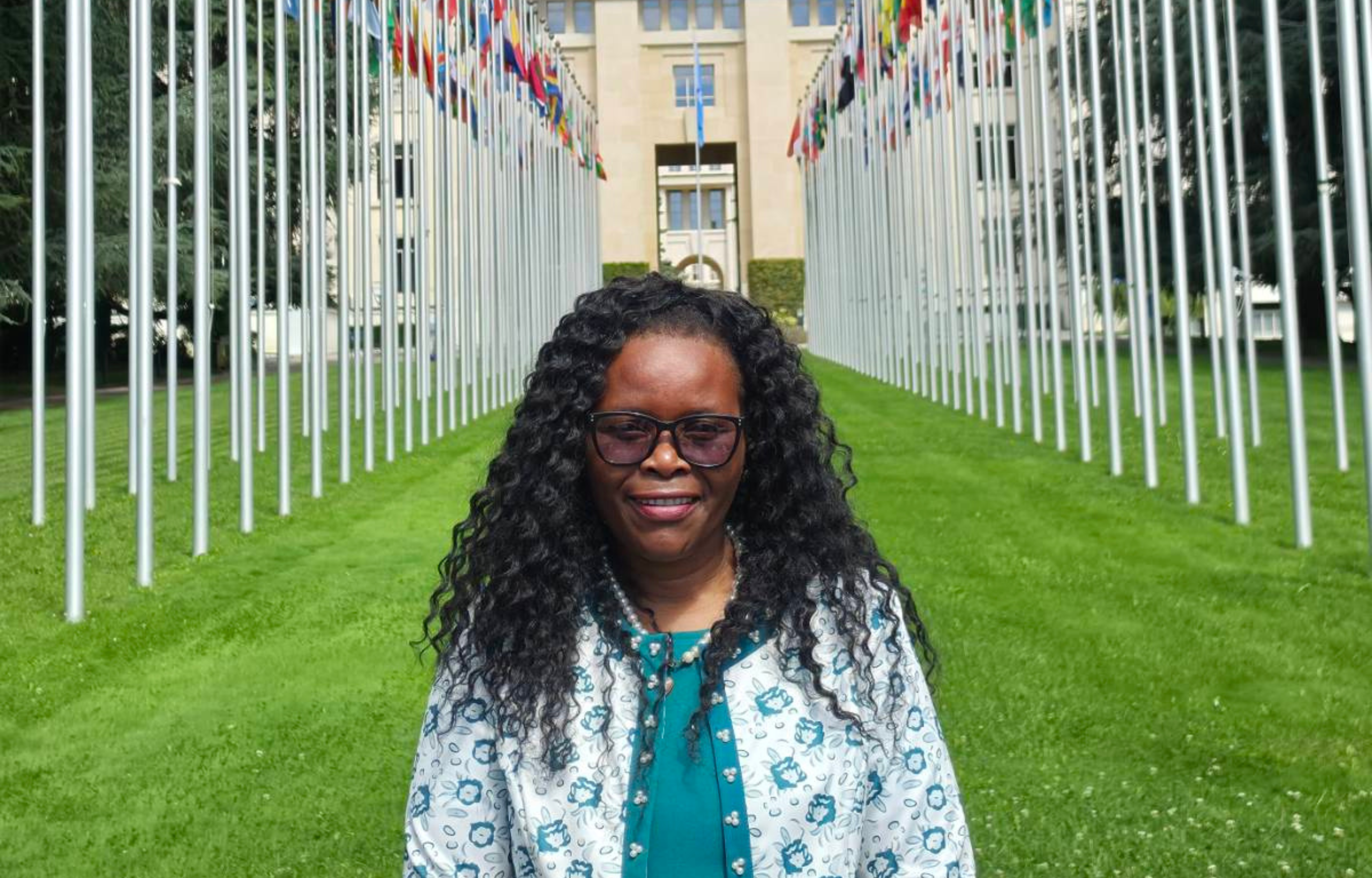
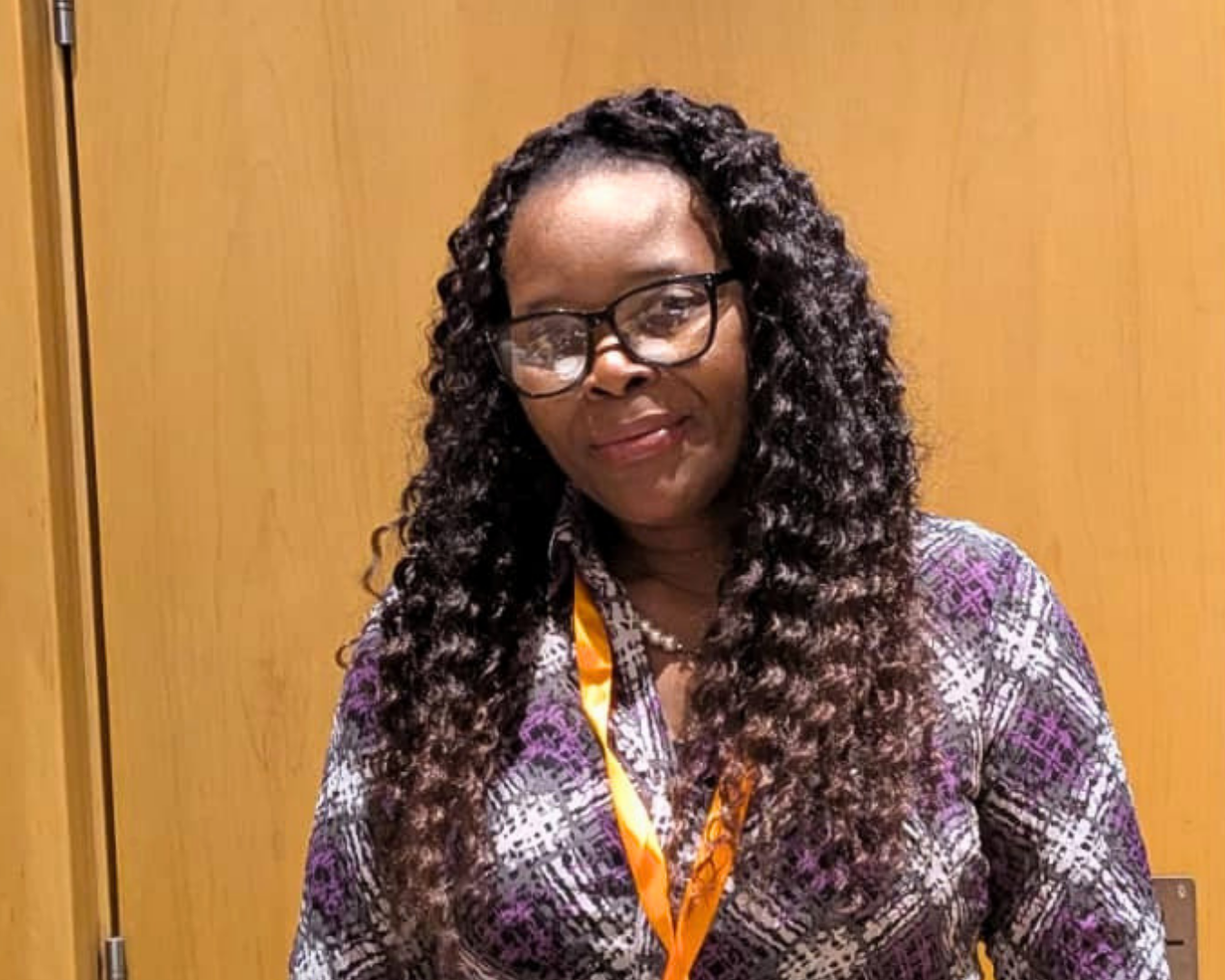
Coalition member Thulisile Maziya, Executive Director of Sinatsisa Lubombo Women and Girls Empowerment Organisation in Eswatini, has spent the last decade developing and implementing community-based programs to prevent gender-based violence and improve access to justice and the socio-economic empowerment of women, girls, and people with disabilities in underserved, remote communities. She brought that expertise to her recent stakeholder submission to the United Nations Universal Periodic Review, a critical pathway for civil society to bring the realities of gender-based violence to the United Nations and press for action and accountability.
Here, Thuli reflects on the role civil society plays in shaping Eswatini’s UPR process, highlighting how collective advocacy can drive stronger protections for women and girls, close gaps in GBV prevention and response, and ensure survivors have access to essential support services.
1. Why did you participate in the UPR process?
We wanted to elevate the lived realities of women and girls in the remote communities of Eswatini’s Lubombo region onto a global human rights accountability platform.
This was driven by persistent challenges in addressing violence against women and girls, including inadequate implementation of existing laws, harmful cultural practices that normalise abuse, limited access to survivor-centred services, and widespread underreporting due to stigma and fear.
Gaps in coordination among stakeholders and the exclusion of marginalised groups, particularly women and girls with disabilities, have further hindered effective responses. Through the UPR, we seek to hold government sectors accountable for their commitments under frameworks such as the Convention on the Elimination of All Forms of Discrimination against Women (CEDAW), while advocating for stronger, gender-responsive policies that include adequate services for survivors.
2. What do survivors of violence face in your country?
As we conduct our daily activities and handle challenges faced by women and girls in Eswatini, we witness the disheartening experiences of survivors of violence in rural communities. Quite a number of them endure abuse in silence, fear of retaliation, and economic dependence on perpetrators. When they do solicit assistance, they are often met with delayed justice, limited access to shelters, inadequate psychosocial support, and fragmented referral systems. Harmful cultural practices continue to normalise violence, while rural and marginalised women, especially those with disabilities, face even greater barriers to protection and support.
The UPR recommendations we submitted, which were grounded in the implementation of the Sexual Offences and Domestic Violence (SODV) Act 2018, Eswatini’s principal legislative instrument on gender-based violence, directly address the realities women and girls face. These included:
- Stronger, coordinated responses to GBV across policing, healthcare, and survivor support.
- Timely investigation and prosecution of perpetrators to end impunity.
- Expanded access to healthcare, psychosocial, and GBV services—especially in rural areas.
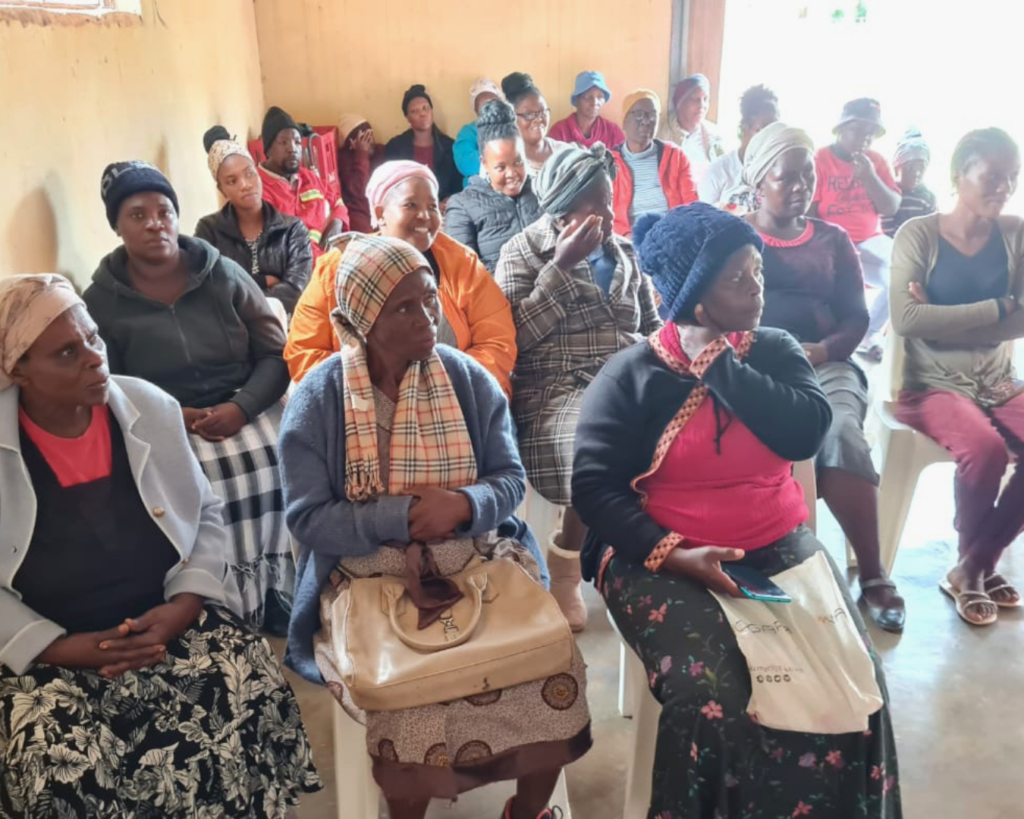
3. How can the UPR process strengthen accountability at the national level?
The UPR compels governments to openly report on their human rights record and receive concrete, time-bound recommendations from other states. This creates a structured system in which commitments are not only made but are tracked, reviewed, and measured over time. Also, the UPR process integrates civil society voices, allowing organisations like Sinatsisa Lubombo to present evidence of implementation gaps, ensuring that national reports are balanced with lived realities.
4. Your recommendations focused on the implementation of the SODV Act, which was also the focus of previous recommendations. What do you believe are the barriers to implementation?
One of the major challenges is the clash between statutory law and customary practices. Eswatini’s dual legal system often creates contradictions, where harmful cultural norms and patriarchal traditions undermine the full application of the law, particularly in rural communities. There is persistent gender bias within the justice system, where survivors are sometimes not believed, and harmful stereotypes influence how police, prosecutors, and courts handle cases. This weakens trust in the system and discourages reporting.
The barrier is not the absence of law, but the gap between legal commitment and practical implementation. Addressing these challenges requires political will, adequate resourcing, community transformation, and stronger accountability mechanisms to ensure that the SODV Act truly protects every woman and girl in Eswatini.
5. You’ve mentioned there are communities in the Lubombo region that have no survivor services. What does the lack of services mean for women and girls?
It means that women and girls are left without protection, support, and pathways to justice. In Lubombo and other remote parts of Eswatini, the absence of nearby police services, shelters, legal aid, and psychosocial care forces survivors to either travel long distances at great cost or remain in abusive environments. This reality deepens vulnerability, cases go unreported, evidence is lost, and cycles of violence continue unchecked. For women and girls with disabilities, these barriers are even more severe, as services are often not inclusive or physically accessible.
Lack of resources also translates into delayed or denied justice, where survivors are discouraged by transport costs, stigma, and institutional gaps. It reinforces silence and normalises violence within communities that already face high levels of poverty and inequality.
Eswatini continues to record alarmingly high rates of gender-based violence. National studies indicate that approximately 1 in 3 women experience sexual violence in their lifetime, and nearly half of women experience some form of physical violence. In rural and underserved communities, these rates are often higher but underreported, due to fear, stigma, and limited access to reporting mechanisms.
Learn More: Implement Existing Gender-Based Violence Law: Coalition Member in Eswatini Submit Recommendations to UPR