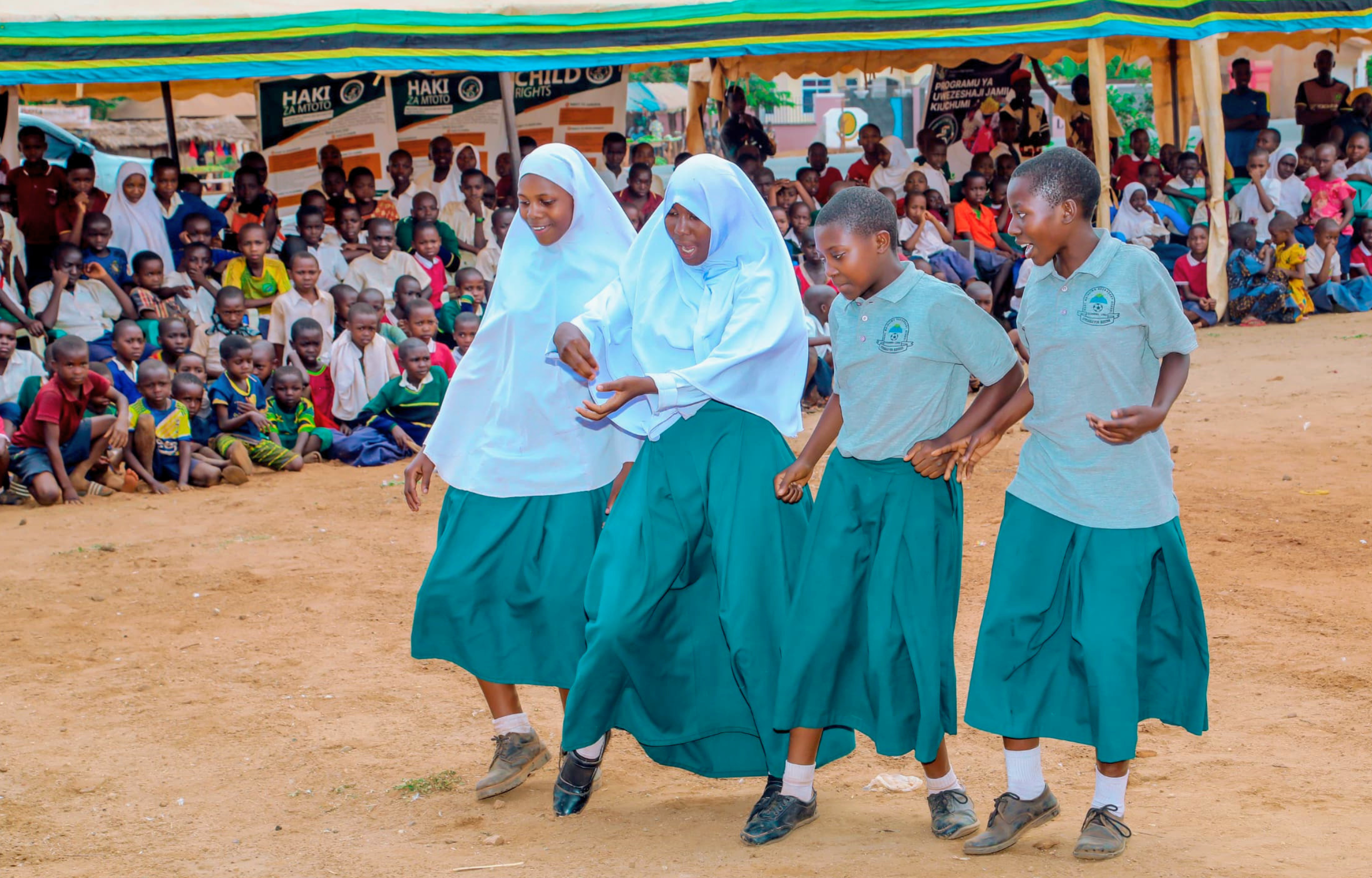
Photo: Courtesy of Tanzania Child Welfare
Recently, in preparation for the 53rd Session of the United Nations Universal Periodic Review in November, 13 Every Woman coalition members in Tanzania filed a joint stakeholder submission calling on their government to close legal and implementation gaps on ending violence against women and girls. Their submission will be part of the formal UN documents sent to the government ahead of its review.
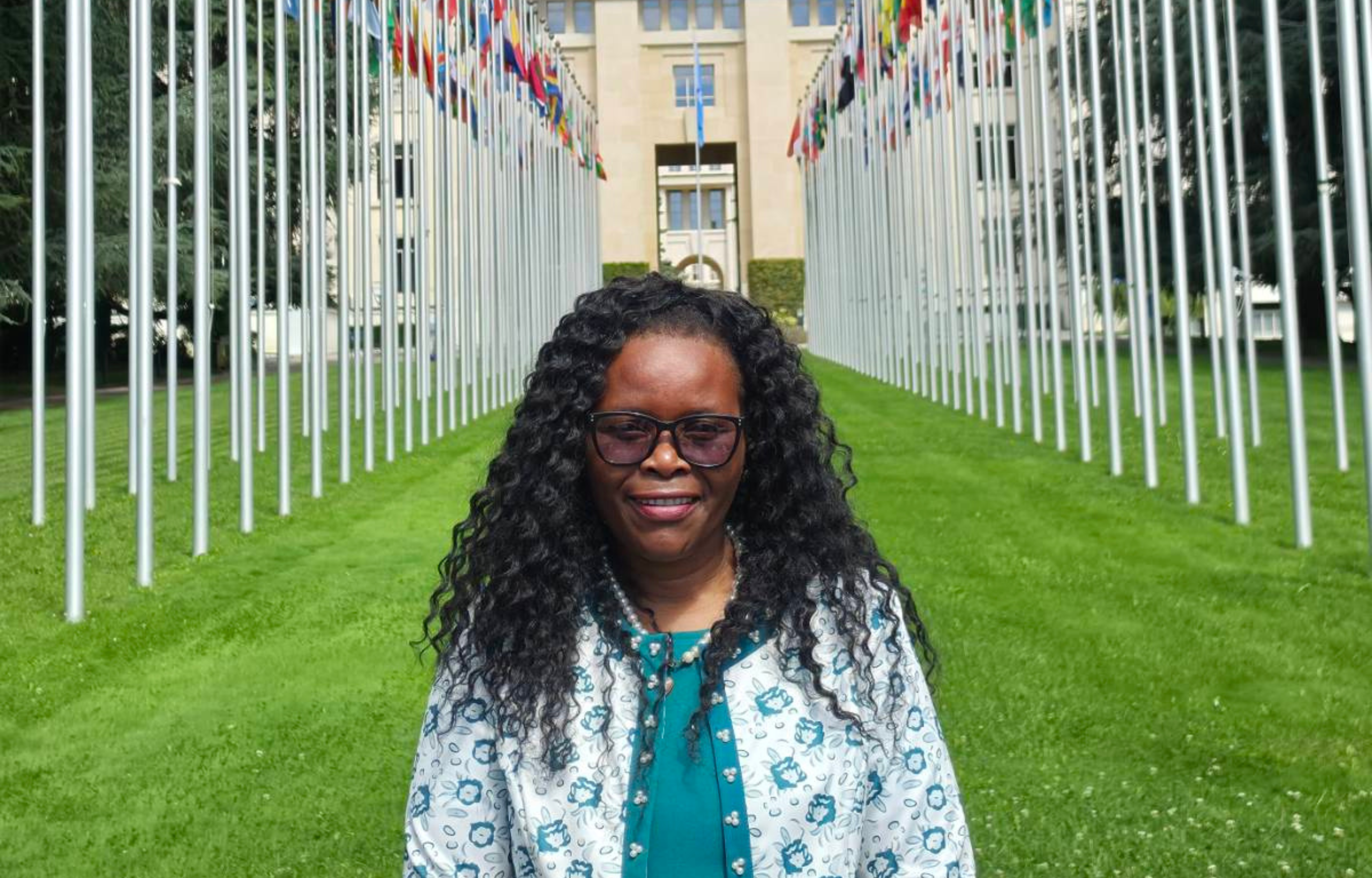
Led by Eddna P. Chandeu, Founder & Executive Director of Tanzania Child Welfare, the group brought together organisations operating across Tanzania in the areas of gender equality, child protection, health rights and access to justice, including organisations led by and serving women and girls in some of Tanzania’s most under-resourced regions, including Mtwara, Lindi, Kigoma, Tabora, Rukwa, and Singida.
Eddna said the opportunity to submit recommendations through the UPR process was crucial. “Despite important national efforts, violence against women and girls remains pervasive, particularly among marginalised and rural communities,” she said. “Many cases go unreported, survivors lack access to justice, and harmful social norms continue to undermine women’s rights. Participating in the UPR allowed us to bring evidence-based recommendations directly to UN Member States.”
First-hand testimonies from survivors of gender-based violence, community health workers, paralegal volunteers, and district-level government officials informed the joint submission. The recommendations focused on intersecting issues related to gender-based violence and child welfare and followed up on the country’s unmet commitments from its previous UPR cycle (third cycle, 2021).
Closing legal gaps on gender-based violence
While the government has adopted gender-related policies and violence-prevention frameworks, there is no comprehensive legislation addressing gender-based violence. Additionally, a high court ruling declared provisions of the country’s Law of Marriage Act unconstitutional because they permitted girls to marry before the age of 18. The recommendations urge the government to close these legal gaps by:
- enacting a comprehensive Gender-Based Violence Act that establishes prevention, protection, prosecution, and survivor services standards across all regions; and
- amending the Law of Marriage Act to set 18 years as the minimum age of marriage without exception.
The recommendations further urge the government to expand survivor-centred services, including shelters and psychosocial support, in rural regions where access remains critically limited.
Increasing access to justice, legal aid and healthcare for survivors of gender-based violence
Legal aid services are effectively unavailable in most rural regions. The situation is particularly acute in Lindi, Mtwara, Kigoma, Singida, Tabora, and Rukwa, where geographic isolation, poor infrastructure, and the absence of legal aid providers leave survivors with no meaningful recourse. Additionally, case delays, corruption, and weak witness protection continue to undermine confidence in the justice system and deter survivors from pursuing cases. Moreover, while the country enacted the Universal Health Insurance Act (2023), only a small percentage of the population is currently covered by health insurance.
The recommendations called on the government to expand legal aid services to reach all administrative regions and increase funding to reduce case backlogs, with particular attention to cases related to gender-based violence and child protection.
The recommendations also made clear that the government needs to accelerate the implementation of the Universal Health Insurance Act, invest in public health infrastructure in rural areas, and ensure that psychosocial services and post-rape care are integrated into primary healthcare provision at the district level.
Improving protections for children
The recommendations noted that a 2024 survey on the indicators of violence against children showed a reduction in violence in Tanzania, but that enforcement of current laws is weak, and services are limited, particularly in rural areas.
To address these gaps, the recommendations called on the government to enact comprehensive legal provisions prohibiting corporal punishment in all settings, including the home, schools, and alternative care, by 2027, and to increase district-level staffing and budgetary allocations for child protection.
Additionally, the report made clear that while the C-SEMA Child Helpline was a step forward, expanding awareness of and access to the helpline in rural communities is essential for prevention and care.
Implementing these recommendations is an international obligation
In their conclusion, the group emphasised that the government has demonstrated a commitment to its human rights obligations, but that it has a legal responsibility to meet the commitments made during the previous cycle. This will require stronger coordination across ministries and the Tanzania Police Force. Lack of clear roles and accountability has meant survivors frequently fall between services, with no institution taking responsibility. Stronger coordination and sustained action are essential, both for Tanzania to meet its international obligations and for the sake of the country’s women and girls, particularly those in rural regions where gaps remain most acute and where women and girls bear the greatest harm.
Next Steps
Every Woman will monitor the uptake of coalition member recommendations and their subsequent implementation.
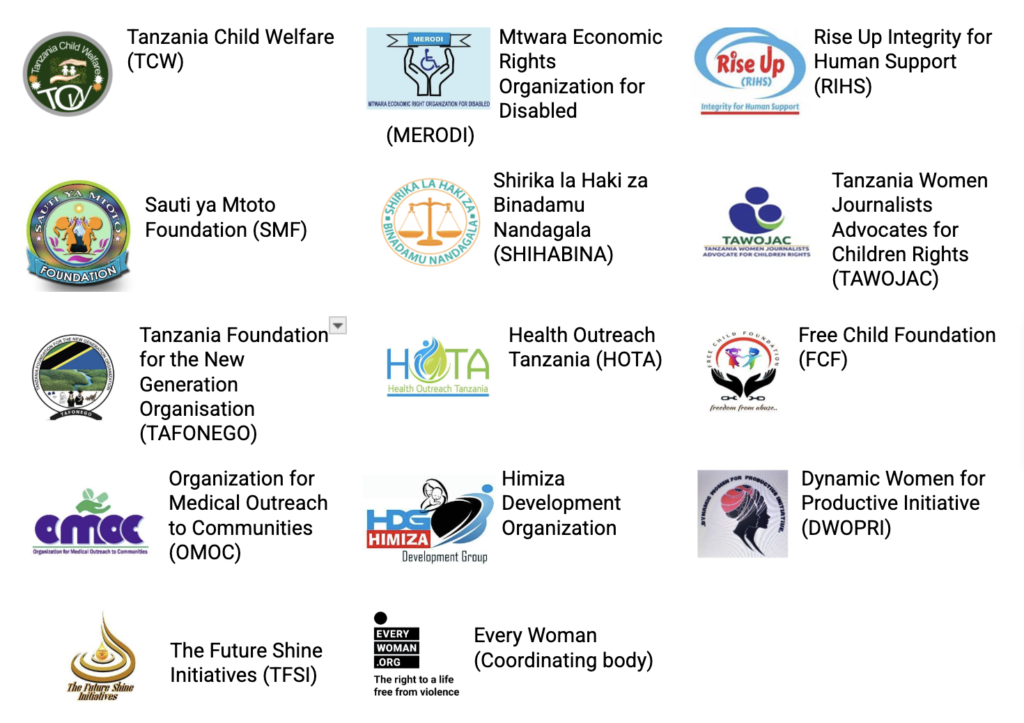
The following civil society organisations in Tanzania contributed to the recommendations, with Every Woman serving as the coordinating body.