Photo: Courtesy of Sinatsisa Lubombo Women and Girls Empowerment Organisation
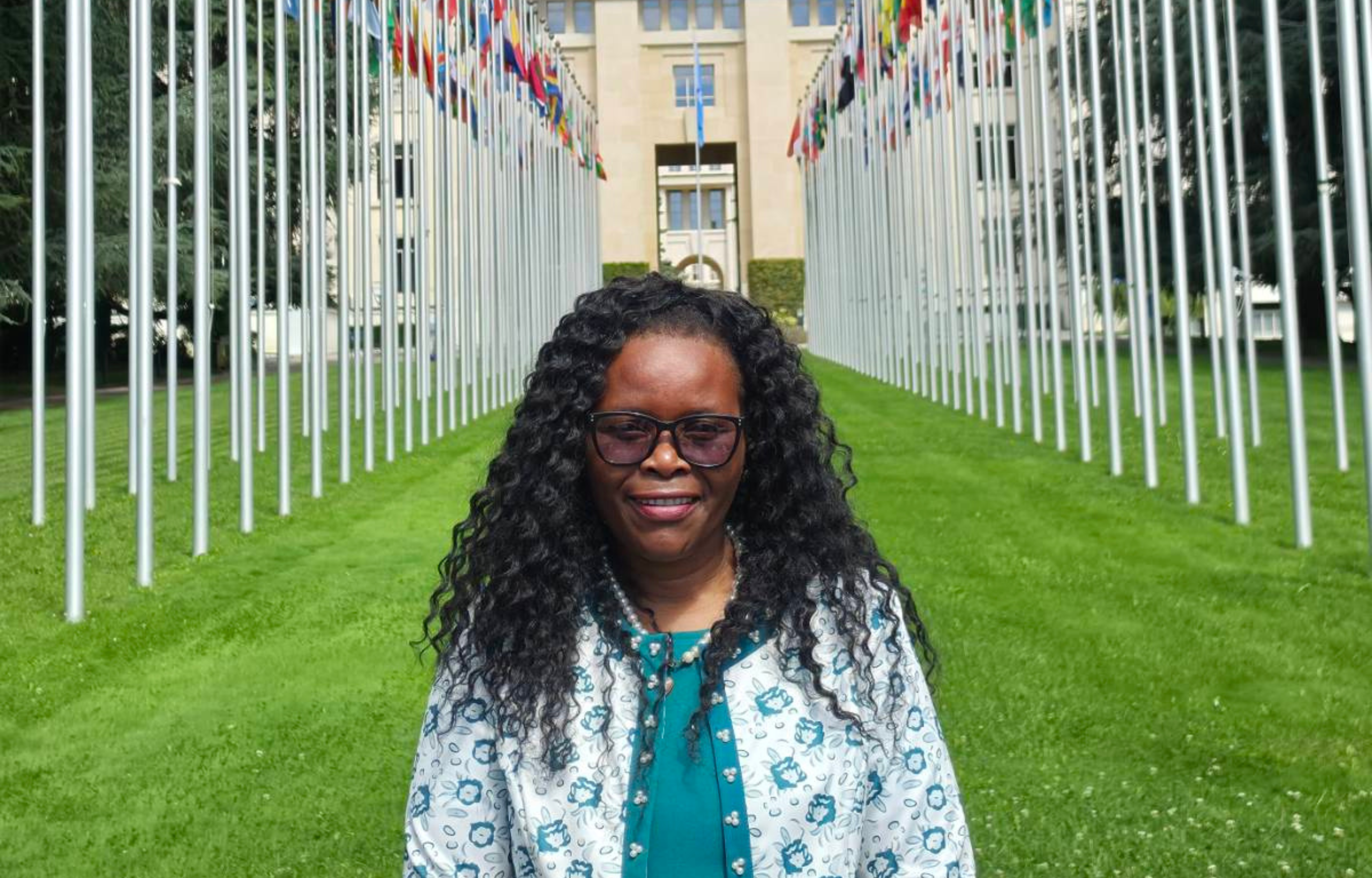
Sinatsisa Lubombo Women and Girls Empowerment Organisation (SNL), an NGO in Eswatini and a member of Every Woman’s Global Coalition, recently submitted a stakeholder report to the United Nations Universal Periodic Review ahead of its 53rd Session in November. NGOs submit reports months ahead of the session to ensure inclusion in the UN reports that will guide the review session. Thulisile (Thuli) Maziya, SNL’s Director and author of the submission, was driven to participate in the UPR due to the persistent challenges in addressing gender-based violence (GBV), including inadequate application of existing laws, harmful cultural practices that normalise abuse, limited access to survivor-centred services, and widespread underreporting due to stigma and fear.
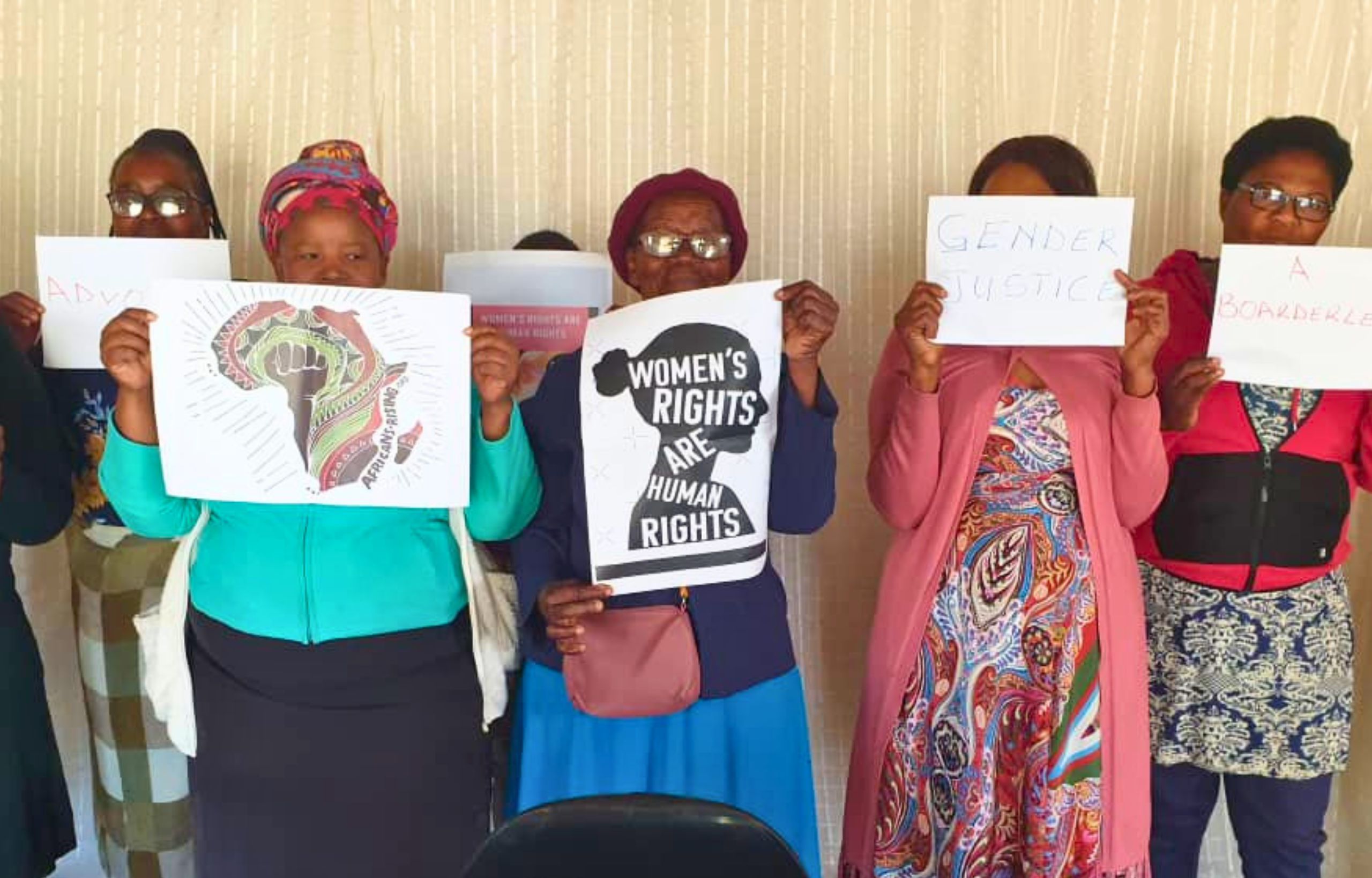
SNL’s submission focused on solutions to these barriers and, in Thuli’s words, aims “to elevate the lived realities of rural women and girls in the remote communities of the Lubombo region of Eswatini onto a global human rights accountability platform.”
SNL Calls on Government to Implement the Sexual Offences and Domestic Violence (SODV) Act 2018
SNL’s recommendations centred on the implementation of the Sexual Offences and Domestic Violence (SODV) Act 2018, Eswatini’s principal legislative instrument on gender-based violence.
Eswatini is a state party to the Convention on the Elimination of All Forms of Discrimination against Women (CEDAW), the Convention on the Rights of the Child (CRC), and the African Charter on Human and Peoples’ Rights and at its third UPR cycle (November 2021), and the government has already accepted recommendations that required it to allocate adequate resources for the SODV, as well as establish specialised GBV courts, and expand survivor services. Yet no dedicated budget line exists, specialised courts have not been established, and many survivors lack access to services.
Nearly one in three women aged 18 and above has experienced GBV in Eswatini, and almost half report sexual violence in their lifetime.
To address the issues, SNL laid out clear, time-bound recommendations, calling on the government to:
- Allocate a Dedicated Budget for SODV Act Implementation, with a dedicated budget line within the next national budget cycle.
- Train Justice Officials and Establish Specialist GBV Units, including all police officers, prosecutors, judges and court officials on SODV Act procedures within 12 months of adopting this recommendation, and establish dedicated GBV units in all four regions within 18 months. Expanding access to survivor services through One-Stop Centres and shelters across the Lubombo, Manzini, Shiselweni, and Hhohho Regions by 2029.
- Open Survivor Support Services in Lubombo and Shiselweni. The Government of Eswatini should open at least one fully equipped One-Stop Survivors’ Centre in the Lubombo Region by 2028, providing medical care, counselling, legal aid, and shelter referral to at least 1,000 survivors per year. Mobile outreach must reach at least 10 communities within three months of launch. Expanded survivor services and shelters should also be opened in Manzini and Hhohho Regions by 2029.
SNL pointed out that Eswatini’s peers in the Southern African Development Community — including Zambia (2017), Zimbabwe (2021), and Lesotho (2020) — accepted similar recommendations and have made substantial progress on implementation.
Barriers to justice and services
Patriarchal norms and customary practices discourage reporting and prioritise reconciliation over accountability, SNL wrote in its submission, sharing an example. Lindiwe (identity anonymous), a 32-year-old mother of three, married for nine years, experienced escalating daily physical abuse linked to her husband’s alcohol dependency. When her siblings attempted to report the matter to the local Domestic Violence and Child Protection Unit, their mother intervened to prevent a police report, citing the risk to the marriage. Lindiwe was directed to traditional leadership, where she was counselled to remain patient, forgive her husband, and fulfil her domestic obligations. No legal remedy was pursued. This case reflects a pattern SNL documents regularly: family pressure, customary authority, and economic dependency converge to prevent survivors from accessing the protections the SODV Act was designed to provide.
Additionally, inadequate survivor services and legal resources leave women and girls with no place to turn. Only one fully operational Survivors’ Centre serves all four regions of Eswatini. In rural communities, geographic isolation and few services prevent survivors from accessing shelters, psychosocial support, and legal assistance, and those who do report often withdraw before prosecution. According to the International Commission of Jurists Report (2020), survivors cite economic dependence on perpetrators and fear of retaliation as primary barriers.
Delayed investigations, limited forensic capacity, and the absence of witness protection mechanisms compound these failures. Sexual harassment in workplaces and public spaces is similarly underreported, particularly among women in informal and domestic employment.
SNL’s Additional recommendations to aid survivors and end impunity:
- a national femicide prevention and monitoring strategy, consistent with commitments accepted by South Africa, Kenya, and Tanzania, with a strategy document published by 2028;
- a time-bound directive to harmonise customary law with constitutional equality guarantees, with named responsible institutions, to be implemented within 24 months of adoption of this recommendation;
- economic support programmes for GBV survivors, with a pilot programme operational by 2028;
- a requirement to publish disaggregated GBV data annually, consistent with recommendations accepted by Rwanda and Namibia, beginning with the 2026 reporting cycle.
Implementing these recommendations is an international obligation
The SODV Act (2018) is a step forward, but the gap between the law’s provisions and the experiences of women and girls in rural Eswatini remains wide. Lindiwe’s case is not an exception; it is the pattern. These recommendations are within reach of the current institutional framework and are directly tied to commitments Eswatini has already accepted and agreed to as legal obligations. The lives of women and girls are at stake. Taking action on these recommendations would strengthen Eswatini communities and improve the lives of women, girls, and all people across the region.
Next Steps
Every Woman will monitor the uptake of coalition member recommendations and their subsequent implementation.