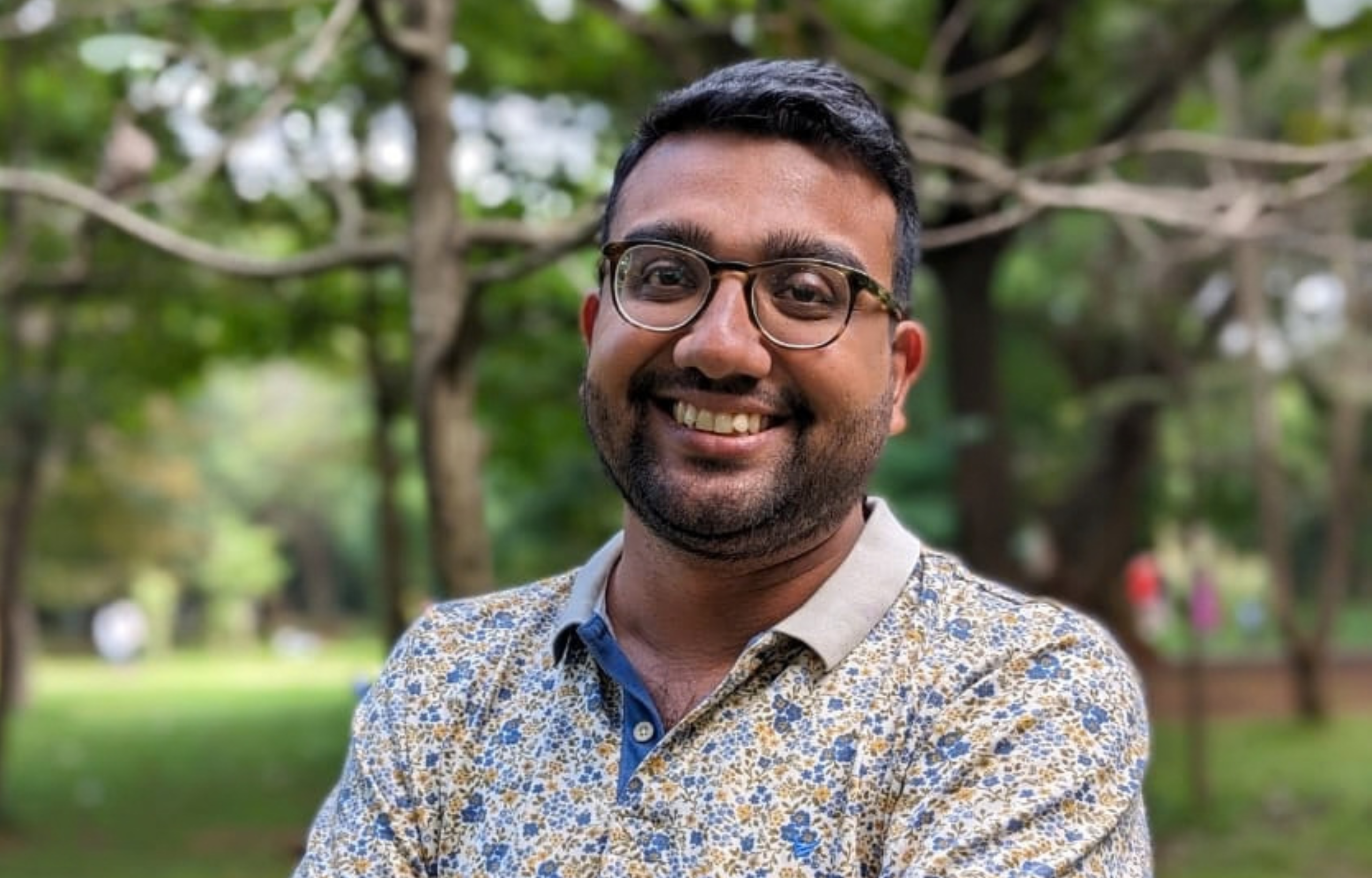
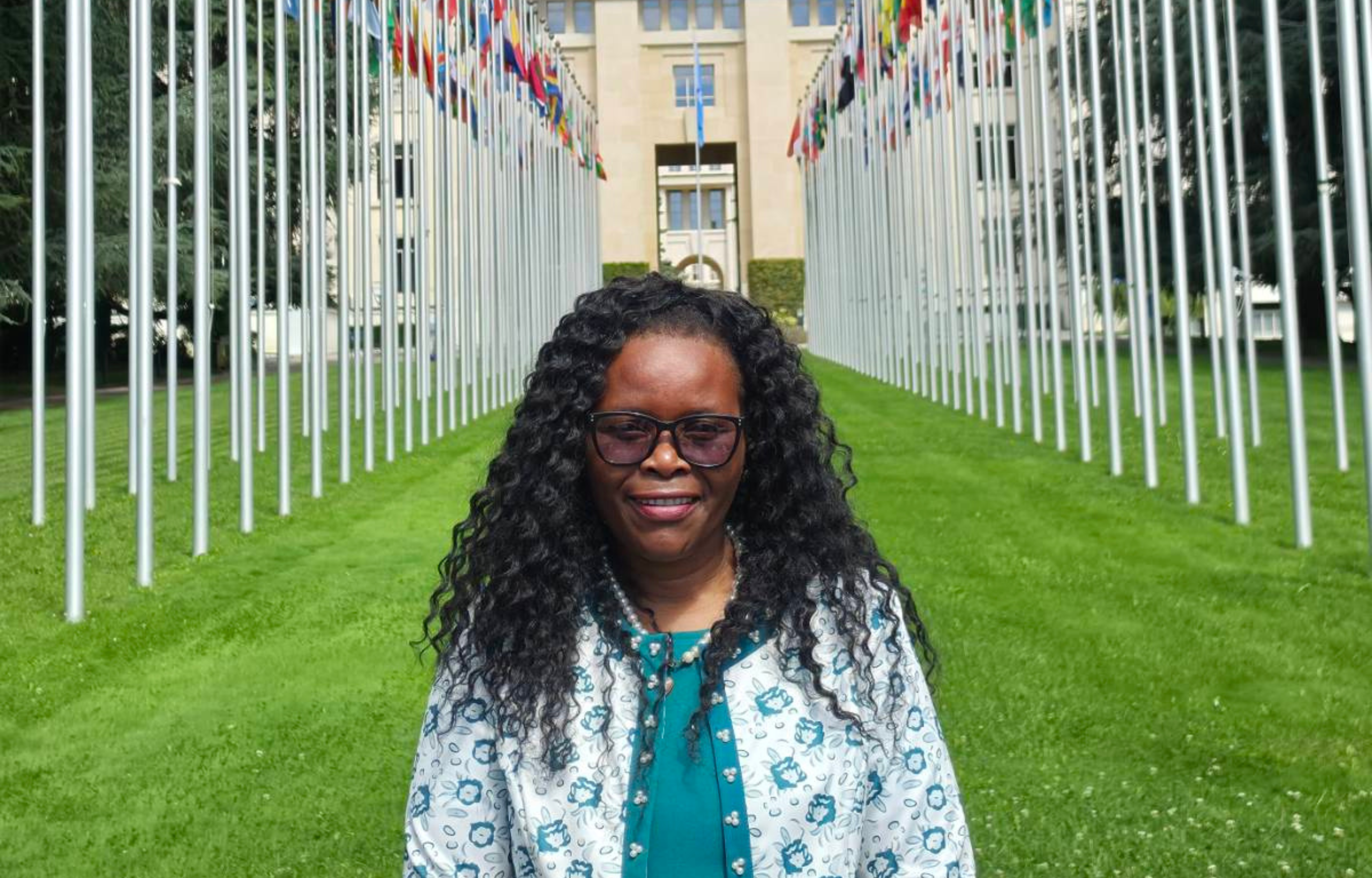
During the Universal Periodic Review pre-sessions in late August, coalition member Thuli Maziya took the floor before UN Permanent Missions and civil society organisations and delivered a statement calling on reviewing states to raise concrete recommendations with the Government of Eswatini this November. Here, Thuli, the Executive Director of Sinatsisa Lubombo Women and Girls Empowerment Organisation, shares why in-person advocacy at the pre-sessions mattered.
- What was it like to be at the Palais des Nations and speak at the pre-sessions?
Being in the room with Permanent Missions and civil society organisations was overwhelming, empowering and encouraging. For me, it was about representing Sinatsisa Lubombo Women and Girls Empowerment Organisation and bringing the lived experiences, evidence, and concerns of women and girls from Eswatini into the room, particularly those affected by violence and other forms of discrimination.
Broadly speaking, the pre-sessions demonstrated the importance of creating spaces where different voices come together around a shared human rights agenda. When civil society shares a common message, our voice is stronger and difficult to ignore. It also reinforced the importance of inclusion. Women’s rights organisations, survivors, community organisations, service providers, government, and other stakeholders all have different perspectives, and bringing them together is essential to achieving sustainable change.
- What impact did it have? Why did it matter?
The impact was in creating visibility, accountability, and an opportunity for collective advocacy. One organisation may identify a particular problem, but when several organisations bring together evidence and speak with a coordinated voice, it demonstrates that the issue is broader and requires a systemic response. The process also helped in thinking beyond the UPR. The recommendations should not be seen as the end of advocacy, but as tools civil society can use to engage the government, monitor implementation, and measure progress over time.
- Your recommendations asked for specific action regarding shelters and survivor services. What do you hope reviewing states will do with these recommendations before November?
I hope States will encourage the Government of Eswatini to make clear commitments before the November review. There is a dire need for practical, sustainable action. This includes increasing access to safe shelters, strengthening referral systems, ensuring psychosocial and legal support, and making sure services are accessible to women and girls regardless of where they live or their circumstances.
The government cannot do this alone. Sustainable survivor services require collaboration between government, civil society organisations, service providers, communities and development partners. So, beyond accepting recommendations, I would like to see a clear implementation framework, resources, responsible institutions, and mechanisms for monitoring progress. The UPR recommendations can provide a useful framework for bringing these different actors together.
- What does it mean to you to bring evidence from Eswatini directly into a UN process like this?
It means ensuring that the realities experienced by women and girls in Eswatini are not invisible at the international level. The evidence came from communities and from organisations working directly with women and survivors. Bringing that evidence into the UPR process gives those experiences a platform and creates an opportunity for States to respond.
By bringing together evidence from different organisations and communities, we present a more comprehensive picture of violence against women and girls. The UPR therefore becomes more than an international reporting mechanism. It can bridge community evidence, national advocacy, and international accountability.
- Please share what it was like meeting with your country’s Permanent Mission. What did you discuss and ask for? Was there any resolution?
Meeting with the Eswatini Permanent Mission was an important part of the process because it allowed us to engage with our country’s representatives and communicate civil society concerns.
We discussed the key issues raised in our UPR submission, including violence against women and girls, access to shelters and survivor services, and the need for stronger institutional responses. We also emphasised that civil society is ready to offer evidence, expertise, community connections and experience rather than just asking the government to act. One key message was that the UPR should not be viewed as a process that happens every few years and then ends. We need to use the recommendations as a basis for continued dialogue between government and civil society.
The permanent mission acknowledged that some recommendations have not been implemented due to limited resources. The meeting was, therefore, an important step, but the real measure of success will be what happens after the review, whether commitments are translated into action.
- Is there one moment from your time in Geneva that has stayed with you?
What stayed with me most was the recognition that what we experience at the community and national level is part of a much bigger human rights conversation.
Seeing different civil society organisations come together, share evidence, and support one another demonstrated the power of collective action. It reminded me that advocacy becomes stronger when we move away from working in isolation and instead build alliances around shared priorities.
Geneva was therefore not only about presenting a statement. It was about seeing the potential of a collective movement, one where organisations, survivors, communities, government and other stakeholders can work together towards sustainable change and impact.