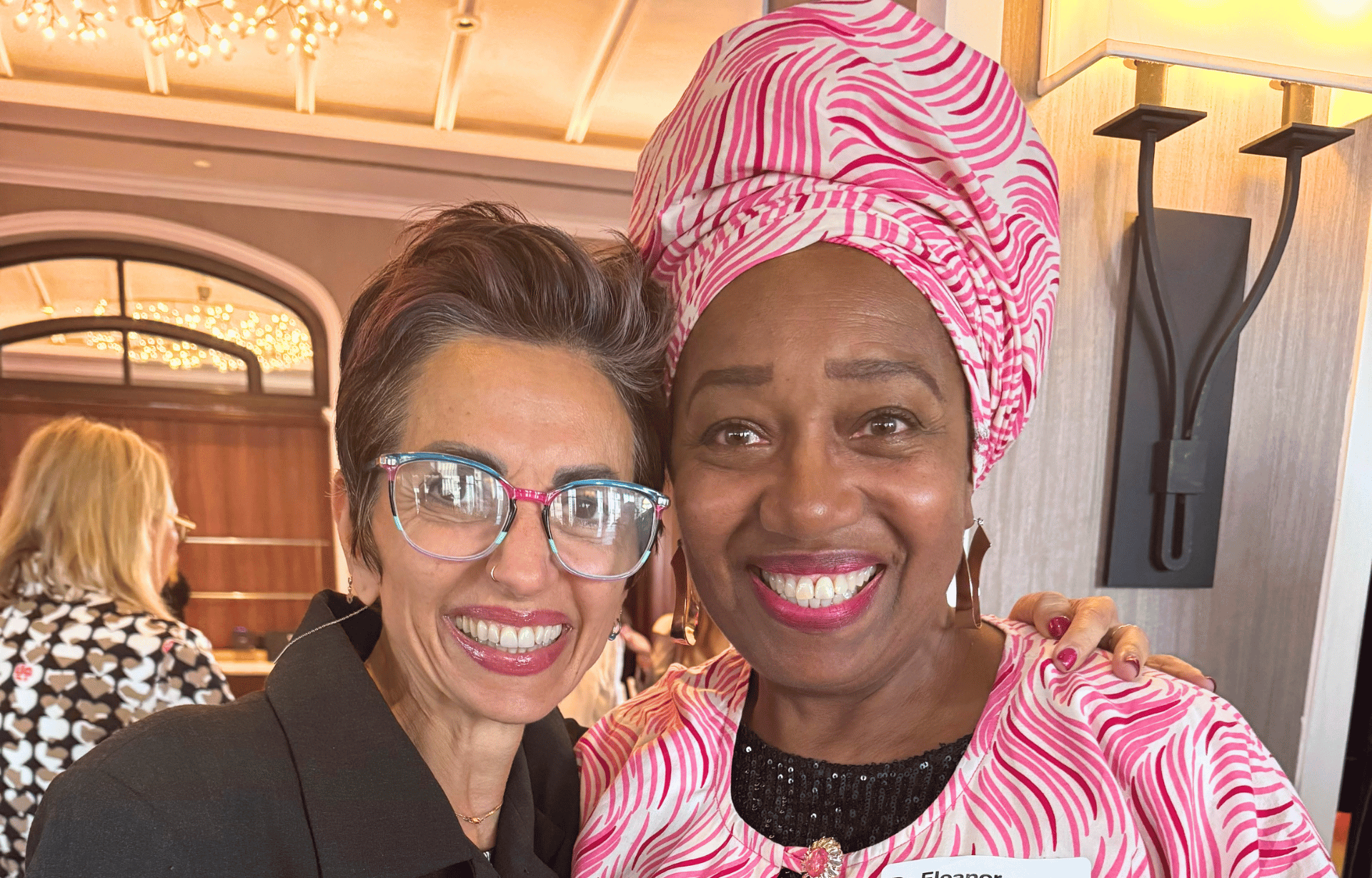
Every Woman CEO Lina AbiRafeh with Cofounder and Board Cochair Dr. Eleanor Nwadinobi
By LINA ABIRAFEH
UN General Assembly.
Yes, it’s political speeches and official events. But the heart of UNGA lives in parallel, in the spaces where activists, women’s rights organisations, human rights defenders, and climate advocates gather to talk about the issues that shape our daily lives. There are panels, speeches, report launches, and formal sessions. And then there are the coffee breaks, the breakfasts, lunches, and dinners. The chance encounters. The opportunities to exchange ideas, collaborate, co-create. It is powerful.
This year, those conversations covered remarkable ground: politics, economics, health, violence against women, conflict, and the future of leadership. Each one kept returning to the same fact: Women sit at the centre of every issue the world is trying to solve.
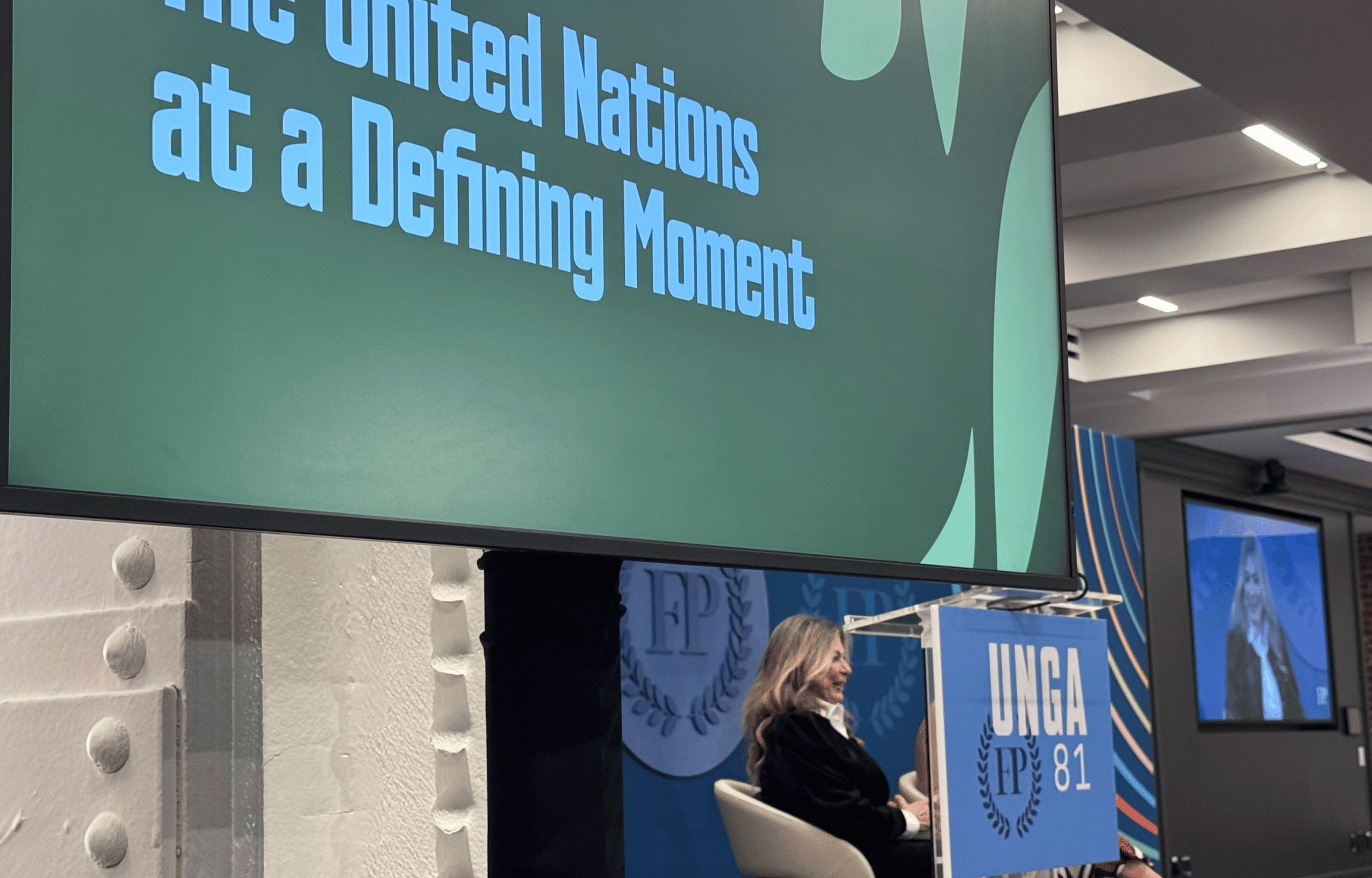
On politics and leadership: we’re asking whether there will be a female Secretary-General. There never has been. Maybe there should be now. Leadership starts long before a woman enters office. It is built in childhood, through education, role models, and support. Once we arrive, our job is to pull each other up, stick together, and open doors. That matters more than ever in an era of democratic backsliding everywhere, especially in the West, alongside a growing attraction to the dangerous extremes. Europe took peace for granted. Arguably, so did the United States.
On the economy: women’s participation is macro-critical. When women participate, economies grow, and women and men both benefit. The question now is how we move from participation to power.
On health: women’s health has been underfunded and under-researched for generations, and the rooms this week showed how hungry people are to change that. A session on menopause drew a full house, with more than 50 people standing in the back. Menopause touches half the world’s population, shapes women’s careers at the height of their experience and influence, and has been kept quiet for far too long.
On violence against all women and girls: VAWG is an issue of rights, justice, and equality. Women carry themselves, their children, their communities, their societies. The cost of that violence is at least US$1.5 trillion, a conservative estimate. We can keep paying that price, or we can fix the social systems through education, prevention and accountability. And a policy without money is meaningless.
Across every theme, one message came through clearly. We need to resource the whole ecosystem, especially women’s rights organisations, and embed gender equality in all policies.
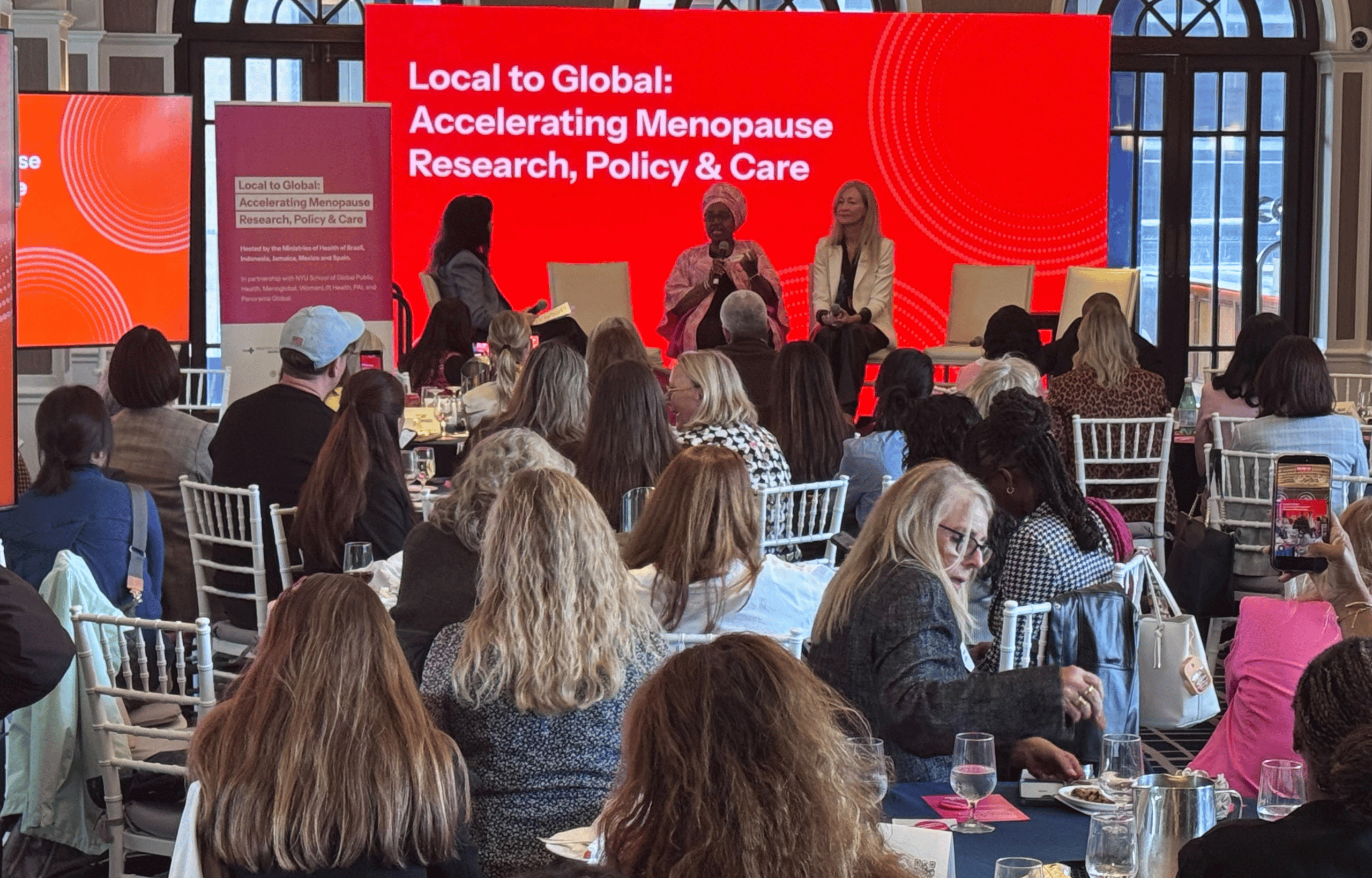
We’re also talking about what it means to lose rights to our bodies, our lives, our choices, and our voice, in every country. This is a dangerous backlash. Women are short on time, power, and money even before the state takes away a single right. And still, women are pushing back and advocating for better lives everywhere, often far from the headlines.
In these spaces, I keep meeting women’s rights activists who have dedicated decades to this cause and remain committed, no matter how hard it gets. And it has gotten hard. Yet every conversation this week drew more people: policymakers, funders, activists, economists, health experts, humanitarians, all committed to making change happen. The circle keeps widening.
We need each other now more than ever. It’s in these spaces that we connect and forge a future that will be better for women and girls.
This work is a mission. I know we can do it.