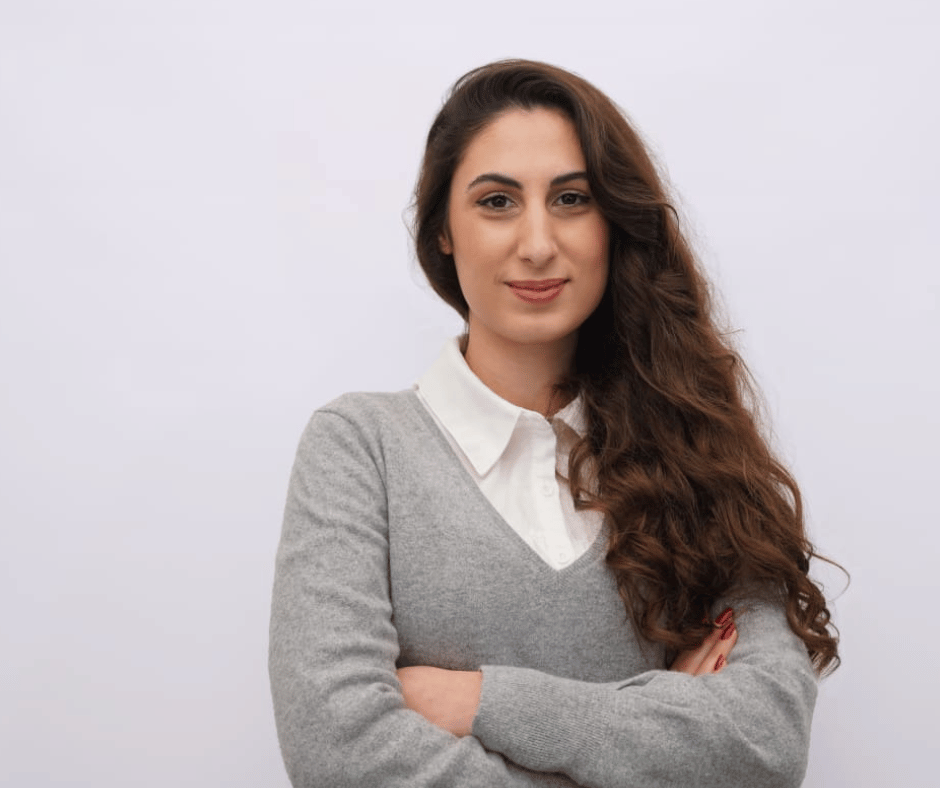
Photo courtesy of Layla Nukiry
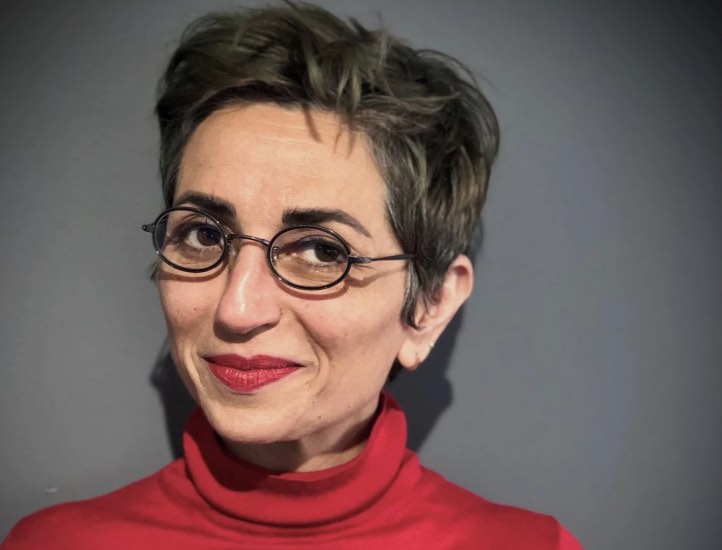
Coalition member Layla Nukiry, a human rights advocate and researcher from the Syrian Arab Republic, recently submitted a stakeholder report to the United Nations Universal Periodic Review. Her recommendations to the government address violence against women and girls, women’s political participation, and legal reform in a post-Assad Syria still in transition.
Here, Layla reflects on why this UPR cycle felt urgent, what her recommendations would mean for women and girls in Syria, and what she wants the world to understand about the reality they face.
1. Why did you decide to submit a UPR Recommendation?
I decided to submit recommendations because the timing made silence feel indefensible. Syria’s current transition represents a real opportunity to lay new foundations that respect human rights and ensure that every part of society, including women, has a genuine role in building the country’s future. What made this urgent to me were the continuing fears surrounding violence against women and girls, especially the reports of abductions, and the clear need for fair, transparent investigation mechanisms and real protection and support for survivors and their families. I also felt it was essential to raise the issue of women’s participation in public life and the legal reforms that still shape whether women can protect their own rights and those of their children.
What made it feel especially urgent is that the UPR only comes around every four and a half years. If these patterns aren’t placed on the record now, while the transitional government is still being formed and its laws are still being written, we lose the chance to help shape this moment rather than simply document its aftermath.
2. What is the core recommendation you are putting to your government? What would it change for women and girls in your country?
The core recommendation I put forward centres on ensuring the protection of women and girls from violence, specifically, independent and transparent investigations into the abductions of women, and safe, gender-sensitive mechanisms that allow survivors and their families to seek justice without fear or social stigma. This isn’t only about abducted women; the fear spreads to every woman in the country, who now thinks twice before walking to school, taking a job, or simply leaving the house. That is not caution; it is a curtailment of the right to move, to study, to work, to live, enforced by fear rather than by law.
If implemented, this would mean greater protection for women and girls, greater trust in institutions, and broader opportunities to participate in society and political life. Real investigations and safe reporting channels would not undo the harm already done, but they would begin to restore the basic safety that everything else in this UPR submission depends on: political participation, guardianship, and nationality rights. You cannot meaningfully expand a woman’s rights while she is afraid to leave her home.
3. What do you want UN Member States and the wider world to understand about the reality facing women and girls in Syria?
I want the world to understand that women and girls in Syria are asking for exactly what every Syrian is asking for after so many years of war: safety, dignity, and a real say in the country being rebuilt. Syrian women are not only survivors of violations; we are essential partners in building peace and rebuilding society. Throughout the years of conflict, women carried enormous burdens while also playing vital roles in civil society, human rights work, and community life, and that role does not end now that the war has.
Supporting women’s rights should not be treated as a separate or secondary issue to be addressed later; it needs to be a core part of any political transition and any new institution-building in Syria.
Women are not asking to be treated as a separate case from the rest of Syria’s transition; we are asking to be fully included in it. I would urge the international community to listen directly to Syrian women, because we hold a deep understanding of the challenges facing our communities and the ability to help build solutions that are realistic and lasting.
4. What has the process of preparing this UPR submission taught you? Was there anything about preparing this submission that surprised you?
This process taught me the importance of using international mechanisms as spaces for advocacy and accountability. At the same time, it confirmed that real change requires sustained effort at the local level, working alongside civil society and women themselves. It also deepened my conviction that women’s issues are interconnected: violence against women, weak political participation, and legal discrimination are not separate problems, but different facets of a single challenge rooted in equality and human dignity.
What struck me most while preparing this UPR submission was how similar Syrian women’s experiences are despite their very different circumstances — how many face the same underlying challenges around protection, representation, and access to their rights. At the same time, it was genuinely encouraging to witness the capacity of Syrian women, especially activists and rights defenders, to organise and demand their rights even under the most difficult conditions.
This experience confirmed for me that ending violence against women depends not only on changing laws, but on changing institutions, practices, and social culture, so that women’s rights are respected in practice, not only on paper.
What has stayed with me most, though, is the people I did this work alongside. Preparing this report meant sitting with the numbers and the legal texts, but it also meant countless conversations with brilliant, fierce Syrian women who are already doing this work, often quietly, because they love their country and refuse to let it be rebuilt without them. Every one of those conversations reminded me that this report belongs to a much wider coalition of women, lawyers, researchers, mothers, and activists, each putting their own expertise toward something larger than any one of us. What I didn’t expect was how much strength I would draw from the women around me, and how humbling it would be to learn from women who carry this work forward every single day, long before any UPR cycle and long after this one ends. Being part of that coalition, even in a small way, is what makes me believe this fight is in good hands, no matter how long it takes.