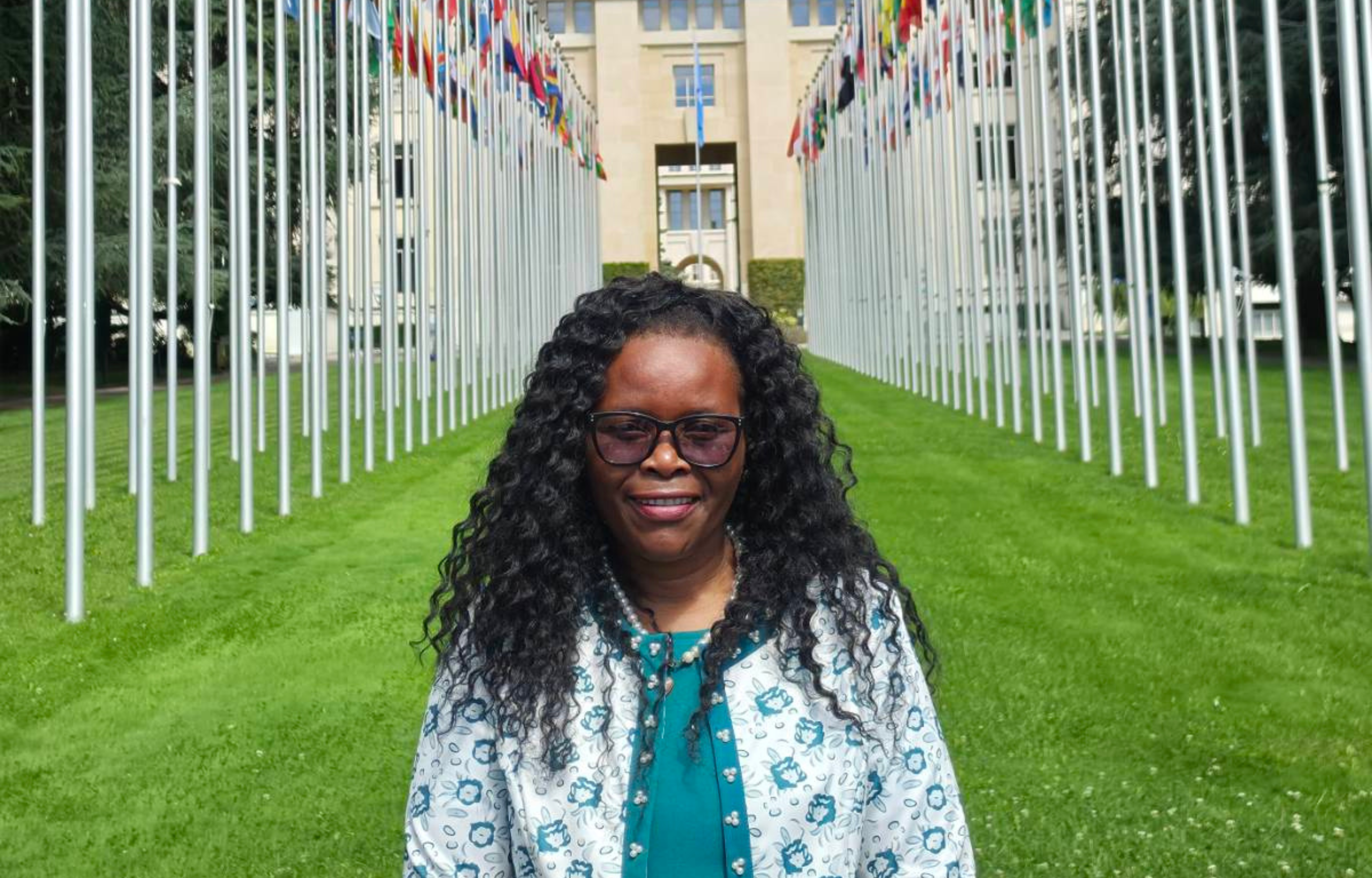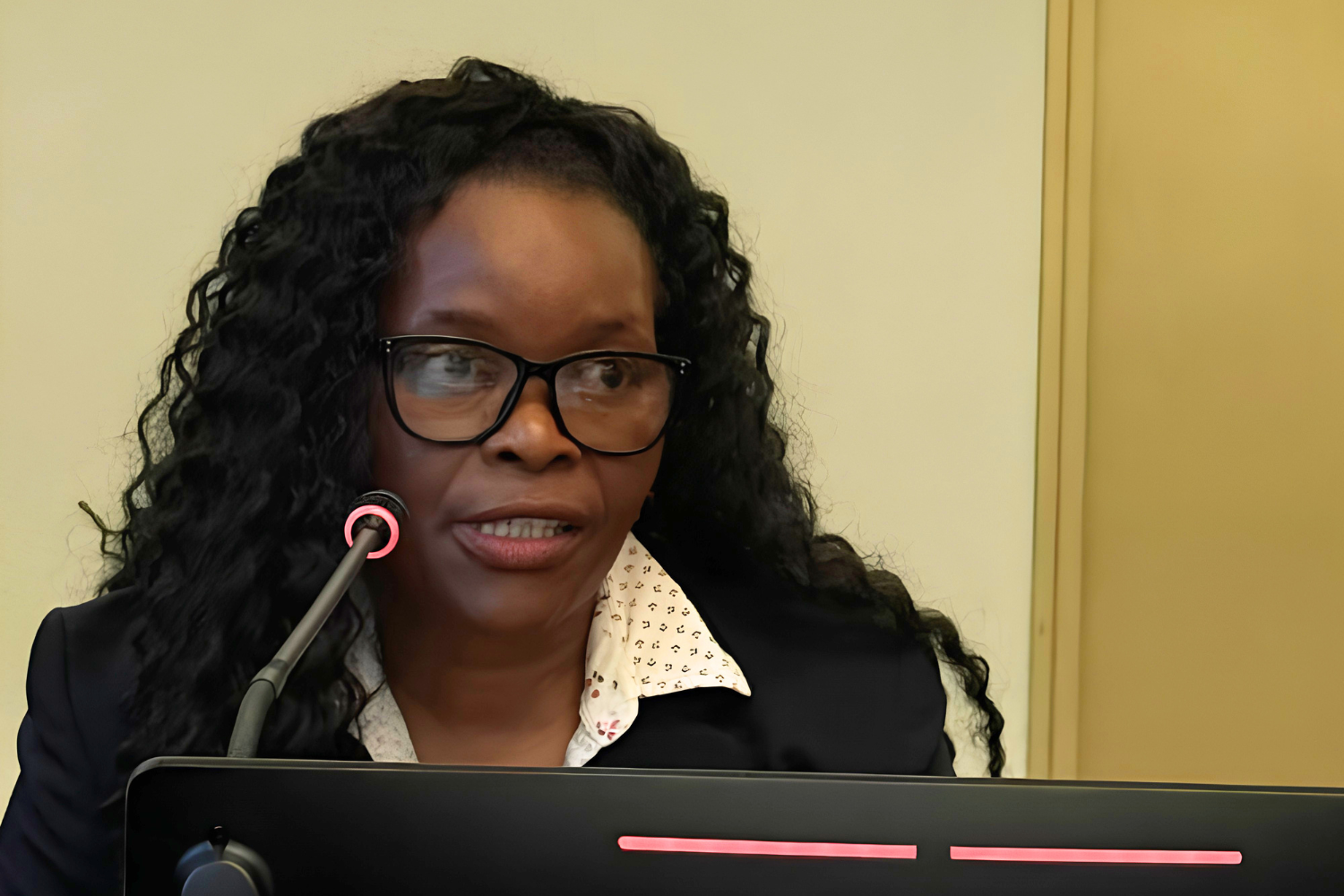
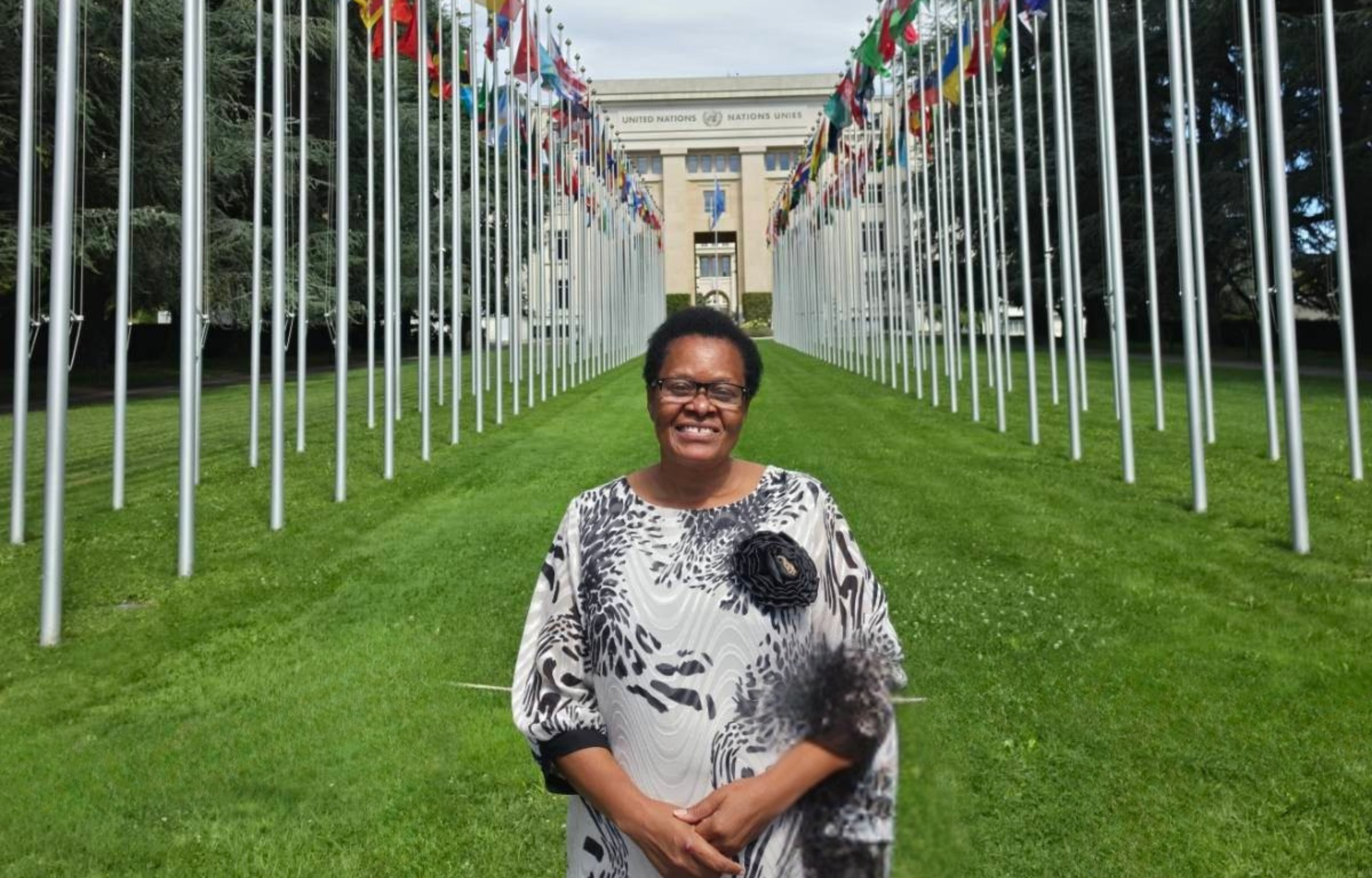
Coalition member Eddna P. Chandeu was in Geneva to observe the Universal Periodic Review Pre-session in late August, a precursor to the formal review in November. Eddna is the Founder and Executive Director of Tanzania Child Welfare. Her organisation and 12 other NGOs submitted recommendations for the November session. We asked Eddna to share what it was like to watch the proceedings, and why they mattered.
- What was it like to be in the room with Permanent Missions and CSOs at the pre-session?
Being in the room was a humbling and meaningful experience. It provided a rare opportunity to witness firsthand the interaction among civil society representatives, diplomatic missions, and the broader United Nations human rights system.
The pre-session created an environment in which civil society voices could be heard directly by representatives of States, while also allowing participants to better understand the diplomatic considerations surrounding the UPR process.
- What impact did it have? Why did it matter?
The pre-session created a bridge between communities, civil society and international decision-makers. It matters because organisations working directly with women and girls are often closest to the realities, challenges, and gaps on the ground. Providing an opportunity for these experiences and evidence to be presented directly to Permanent Missions ensures that discussions are informed not only by official reports, but also by the perspectives of those working alongside affected communities. Even when immediate commitments are not made, creating dialogue and awareness is an important step toward accountability and meaningful engagement.
- What were your takeaways from being an observer in the room?
My greatest takeaway was the importance of preparation, collaboration, and strategic engagement. I observed how carefully prepared recommendations, supported by evidence and communicated clearly, can create opportunities for meaningful dialogue with State representatives.
I was also reminded that participation in international advocacy spaces should not be viewed as an end in itself. The real value lies in what happens afterwards: following up on recommendations, engaging national stakeholders, and ensuring that international commitments translate into practical improvements in the lives of women and girls.
The experience strengthened my appreciation of coalition-building. When civil society organisations work collectively, they bring diverse experiences together while advancing common priorities in a more coordinated and influential manner.
- Please share what it was like meeting with your country’s Permanent Mission. What did you discuss, ask for? Was there any resolution?
Meeting with representatives of Tanzania’s Permanent Mission in Geneva was one of the most meaningful aspects of my experience. It provided a valuable opportunity for direct, respectful, and constructive dialogue between civil society and State representatives, centred on the recommendations and concerns raised through our advocacy.
We reflected on our recommendations, including the protection and rights of women and girls, child protection, early and child marriage, access to education for girls, corporal punishment, and the need to strengthen legal and policy frameworks to better respond to the realities faced by women and children in Tanzania.
On early and child marriage, the Mission’s representatives emphasised the importance of complementing legal and policy interventions with stronger community awareness and engagement. There was recognition that sustainable change requires communities themselves to understand the harmful consequences of early marriage and to become active participants in protecting girls’ rights and future opportunities. This reinforced the importance of continued awareness-raising, dialogue with families and communities, and collective action to address harmful social norms.
The Permanent Mission expressed its intention to invite us to participate in the UPR Review scheduled for November — a particularly important invitation, as it offers continued engagement and demonstrates the potential for ongoing dialogue between civil society and State representatives.
For me, the meeting demonstrated that constructive advocacy is not simply about presenting concerns or demanding change; it is also about creating space for honest dialogue, listening to different perspectives, and identifying opportunities for continued engagement. I left encouraged by the openness to discussion, and with the understanding that meaningful progress requires patience, collaboration, and sustained follow-up.
- What’s one moment from your time in Geneva — a conversation, a question from a delegate, something you observed — that stayed with you?
One moment that stayed with me was observing the seriousness with which civil society representatives presented evidence from their respective countries. Each intervention reflected the voices and experiences of communities that may otherwise have limited access to international decision-making spaces.
I was particularly struck by the power of solidarity among coalition members. Despite coming from different countries and contexts, there was a shared commitment to advancing the rights, dignity and protection of women and girls. That sense of collective purpose was a powerful reminder that meaningful advocacy is strengthened when organisations learn from one another and stand together.
- Now that you’ve been through the pre-session, what do you expect or hope will come next for your country and for the women you work with?
My hope is that the discussions and recommendations raised throughout the UPR process will contribute to sustained action beyond Geneva. International recommendations should not remain commitments on paper; they should encourage constructive national dialogue, policy implementation, and stronger accountability.
For Tanzania, I hope to see meaningful engagement among government institutions, civil society organisations and communities to address issues affecting women and girls. I also hope that the process will create greater opportunities for civil society to contribute evidence, monitor progress and participate in the implementation and follow-up of accepted recommendations.
Ultimately, success should be measured by whether women and girls experience tangible improvements in their daily lives, safety, dignity and access to their rights.