By DR LINA ABIRAFEH, CEO
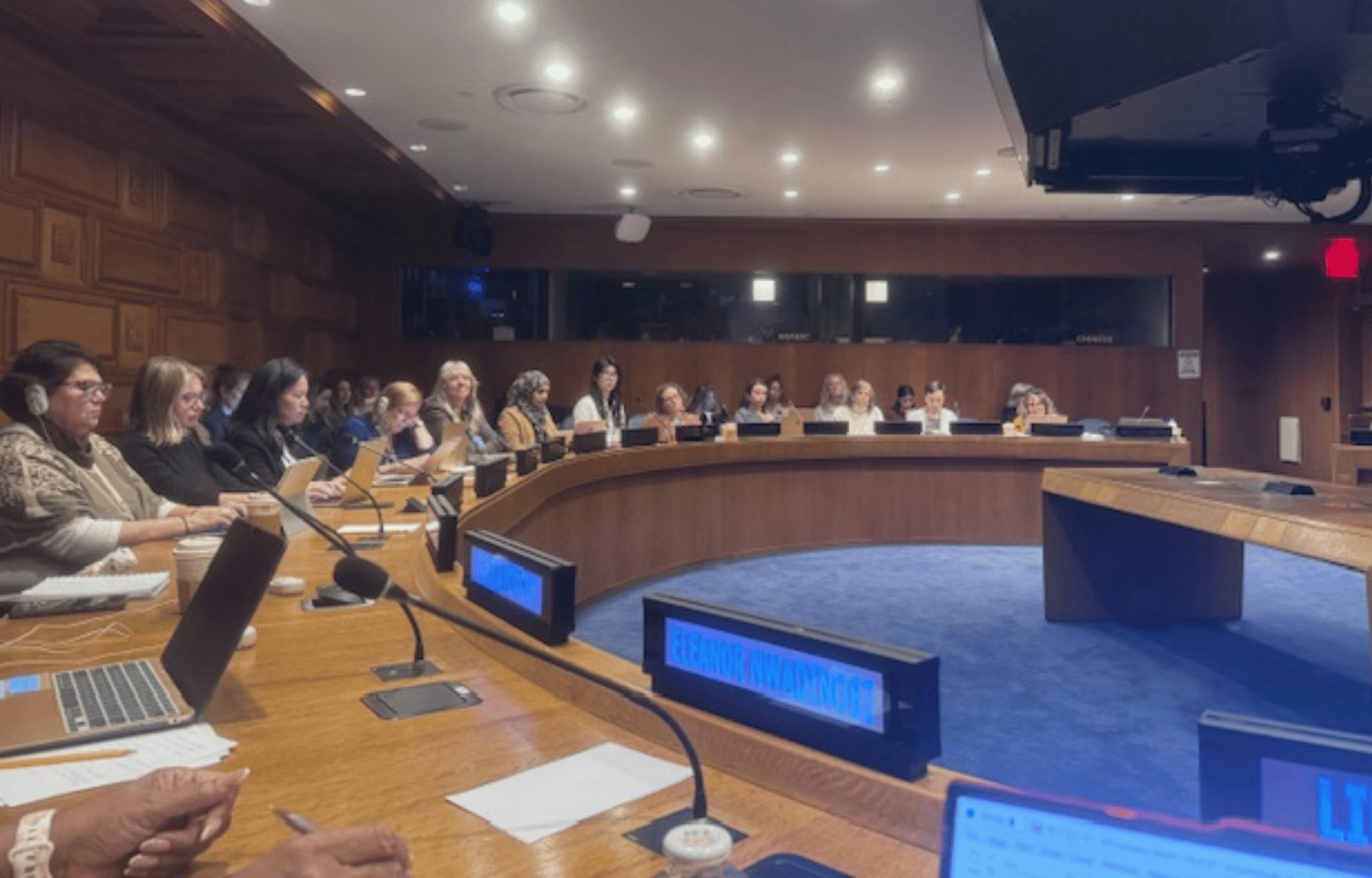
On October 26, I sat in Conference Room 8 at UN Headquarters, on the margins of the Security Council’s Open Debate on Women, Peace and Security. For survivors, the conversation we had that morning sits at the centre.
Every Woman co-hosted the symposium with the NGO Commission on the Status of Women (CSW) Working Group on Crimes Against Humanity Treaty, the NGO CSW Working Group on Gender Equality and Peace, and the Department of Political and Peacebuilding Affairs and the Department of Peace Operations Gender Unit. For two and a half hours, peacebuilders, UN officials, and international lawyers asked one question from every angle: where is justice for women?
Twenty-six years after UN Security Council Resolution 1325 acknowledged the disproportionate impact of armed conflict on women and girls and the necessity of women’s leadership in peace, the numbers are stark. Some 750 million women and girls now live near deadly conflict, the most in decades. UN-verified cases of conflict-related sexual violence more than doubled in 2025. And yet women make up just 5 per cent of negotiators at peace tables. Pamela Morgan, of the NGO CSW Working Group on Crimes Against Humanity Treaty, asked what meaningful participation can mean when survivors are denied justice. Those questions, she said, “expose a fundamental failure to translate international commitments into lived realities.”
Justice is the unfinished pillar of the WPS agenda. The women on our first panel showed us what that looks like on the ground, and what they are doing about it.
The women who did not wait
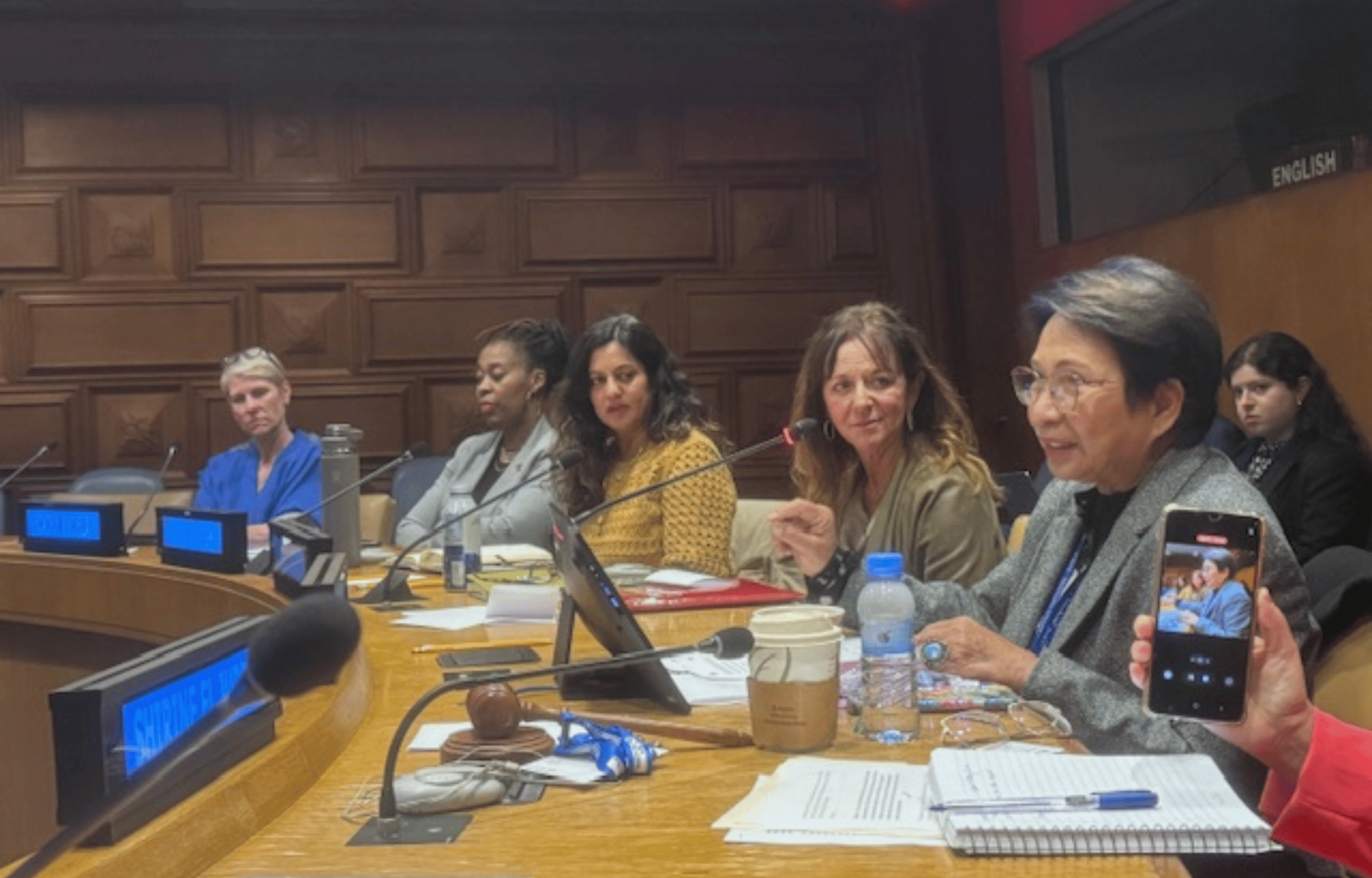
Shirine Jurdi travelled from Lebanon, where the UN peacekeeping mission, UNIFIL, ends its mandate on December 31 after nearly five decades. Women in southern Lebanon saw the vacuum coming and built their own security architecture. “We did not wait for a space, and we were not invited even to a seat,” she told us. “We created the opportunity because we knew if we did not do it, nobody is going to do it for us.” Women’s circles now track early risks to daily survival, and a women-led ceasefire observatory documents violations and carries that evidence to negotiators. Her message to donors and the UN was direct: fund us for years, fund us without intermediaries, and stop separating decisions from the people who live with them. “We are the owners.”
Rana Rahal, a gender advisor with UNIFIL whose own home is in southern Lebanon, added a hard question. We talk a lot about justice and reporting. Report to whom? Many women distrust a politicised justice system, and in much of the south, “peacekeepers are present when no government is present.” Mission mandates, she said, must name this work explicitly, or peacekeepers cannot do it.
Naw Hser Hser, from Myanmar, has sat in peace talks as a delegate and still watched decisions get made without her. “Women must not simply be invited to participate,” she said. Since the coup, young women have stepped into protest, humanitarian response, and new federal institutions. She asked us to invest in them, and to treat WPS as the work of changing the structures and systems that keep women out. Real solidarity with Rohingya women, she added, begins with listening.
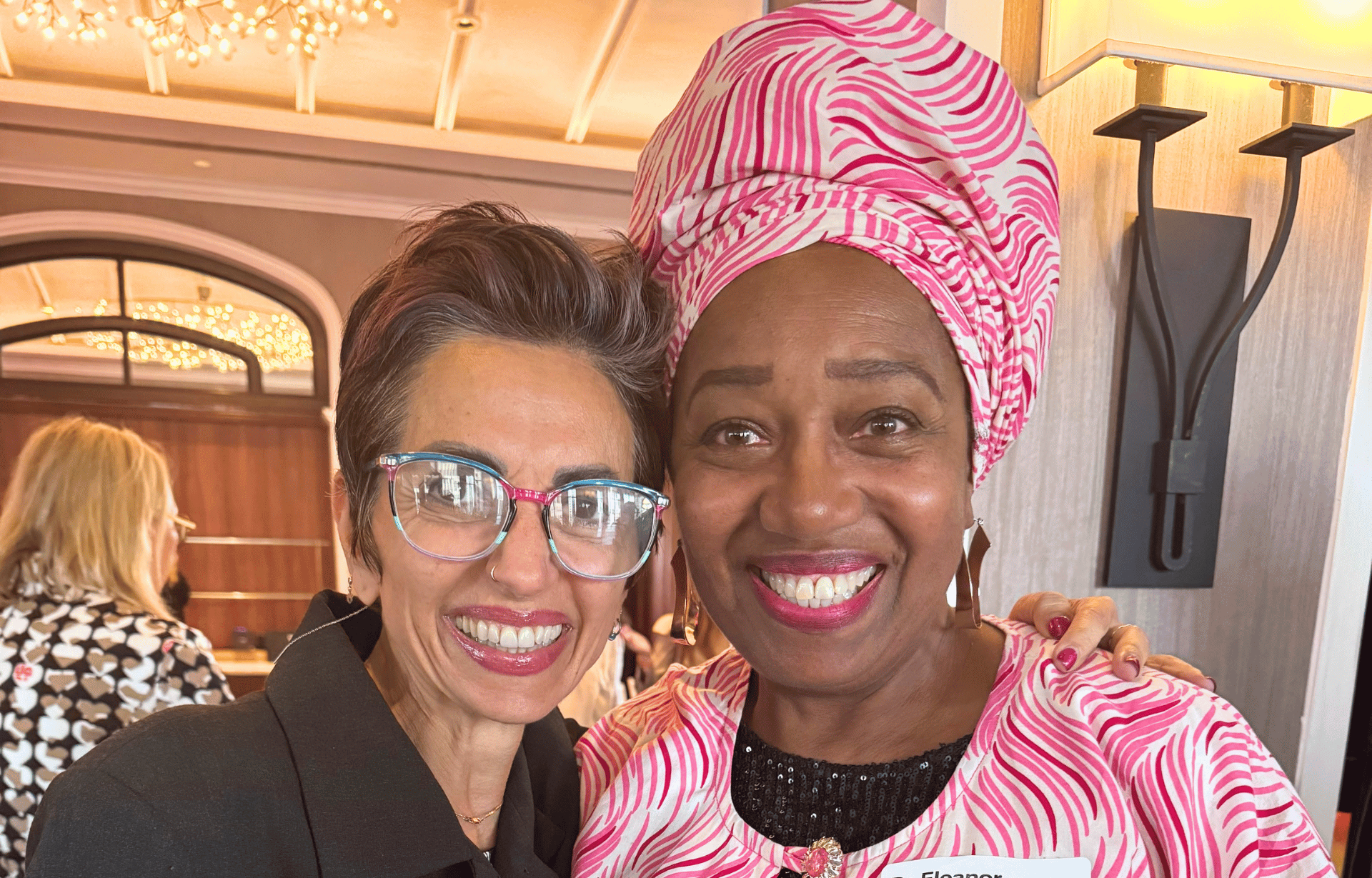
Dr Eleanor Nwadinobi, Every Woman Cofounder and Board Co-Chair from Nigeria, told us about child widows in the northeast. These are girls married young, abducted and forcibly married to Boko Haram fighters, widowed again, and then called “bad blood” when they come home. They face what she calls the three Ss: stigma, silence, and shame. She asked us to picture a fruit. The girl is the core. Around her is the pulp: family, community, and faith and traditional leaders, too often the very people who silence her. The skin is the institutions that must be accountable to her. Prevention, she reminded us, starts in the home, because violence there is the greatest predictor of conflict in a society. “By the time there are early warning signs, it’s too late.”
One successful case and many more remain
We watched a film about the trial of warlord Ntabo Ntaberi Sheka in eastern Congo, where 387 women and children were raped across 13 villages. Congolese prosecutors, judges, survivors, and civil society secured a conviction. It was proof that justice is possible.
Robert Pulver, who leads justice and corrections work at the UN Department of Peace Operations, was honest about what came next. “This is just one case,” he said, and many more perpetrators should be in court. Many survivors never came forward because they were afraid. The court awarded reparations, yet “to our knowledge, no reparations have actually been paid.” He warned that cutting peace operations to save money only feeds the conditions for conflict and gender violence, and ends up costing the world far more. His answer: triple our investment in women, peace and security.
Women are writing the law
Our moderator, Indai Sajor, opened the day with a question: where are the women when the international community writes the laws that determine how the gravest atrocities are prevented and punished? Our second panel answered it.
“The women are here,” said Leila Sadat, who drafted the model Crimes Against Humanity convention in 2008 and has championed it ever since. States are now negotiating a Crimes Against Humanity Treaty, and she called it “the treaty of our generation.” It covers attacks on civilians in peace as well as war, and it can name harms the law has struggled to see, such as starvation used against women and children.
Akila Radhakrishnan reminded us that the foundations of international criminal law were laid without women. No woman sat on the International Law Commission until 2001. This time, feminists are at the drafting table from the start, and states are listening. Nearly half of the formal proposals states submitted in April advanced at least one gender justice issue. Forced marriage drew more state support than any other proposal in the treaty. Gender, she said, is “actually strengthening” this process.
Nilüfer Oral, one of the few women ever to serve on the International Law Commission, recalled the side event she and her colleagues organised for its 70th anniversary: “Seven Women in 70 Years.” Women need to be at the very top, she said, where the negotiating happens. Kate Vigneswaran of the International Commission of Jurists showed how the treaty’s duties to prevent, punish, and repair can carry gender justice, and why it needs a body to monitor whether states follow through.
The risk now sits in one word. A small group of states wants to read “consensus” as a veto over anything they dislike. Others are holding firm. Rwanda put it best: states “shouldn’t lower our ambition for this treaty.”
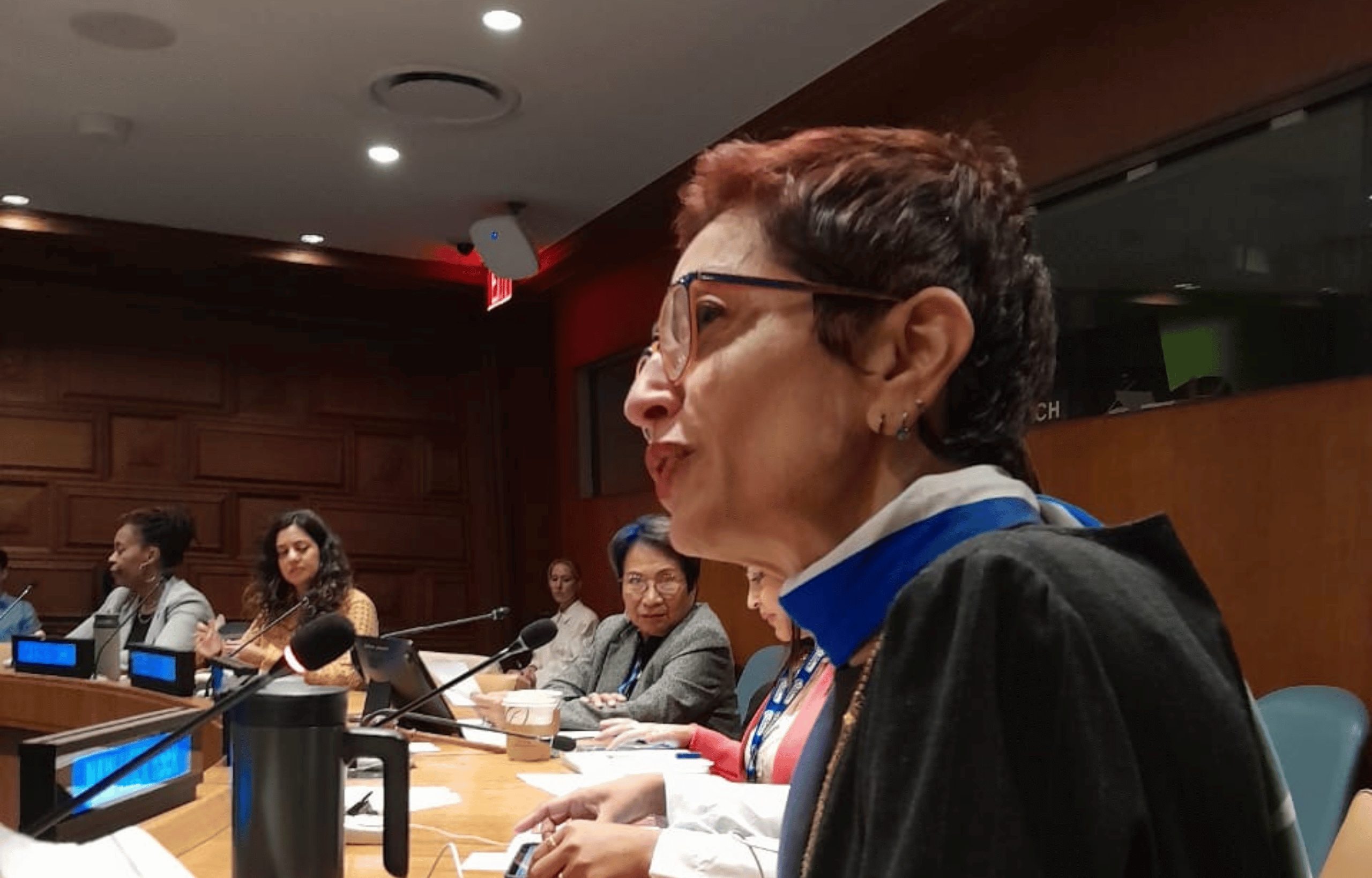
Every Woman CEO Lina AbiRafeh
Where Every Woman stands
We ran out of time for my closing remarks, so I will share them here. Three things matter to Every Woman, and I believe they matter to every woman.
First, accountability is the key. Our coalition member Eikhomun Lousia, in Nigeria, reminds us that in many communities, the first place a woman goes to report violence is the very institution accused of it. “Women are often left to choose between justice and survival.” We owe it to the millions of women and girls who face conflict violence across the world to pursue accountability as the main tool to achieve gender justice.
Second, the Crimes Against Humanity Treaty must explicitly recognise the systematic nature of gender-based violence in conflict, the persecution of women and girls because of their gender, and the use of rape as a deliberate tactic and weapon of war. Every Woman will continue to follow the negotiations closely and advocate for strong language.
Third, partnership. Margins are where much of the real work happens, and women’s organisations know this better than anyone. Our aim is to move these issues from the margins.
Indai closed the day with two requests for Member States: support monitoring frameworks that measure justice as a core part of WPS, and fund the volunteer-run Coalition for a Crimes Against Humanity Convention so it can reach women in every region. I add my voice to both. And if you care about this treaty, join the coalition. As Akila said, we need more people.
Legal equality is the start. Lived equality is the work. There is no time to waste.